

Real-Time Commerce Operations: Moving Beyond Static Dashboards
Most distributors manage operations through yesterday's reports. Morning meetings review exceptions, investigate anomalies, and plan interventions - all based on data that's already 12-18 hours old. Real-time operational intelligence transforms everyday work from reactive problem-solving to proactive opportunity capture.
Real-Time Commerce Operations: Beyond Static Dashboards
Most distributors manage operations through yesterday's reports. Morning meetings review exceptions, investigate anomalies, and plan interventions - all based on data that's already 12-18 hours old. By the time teams spot problems and coordinate responses, customers have already experienced delays, margins have eroded, and operational fires have spread.
This approach worked when commerce moved at the speed of phone orders and paper invoices. It fails when customer expectations shift to Amazon-speed delivery and real-time visibility. The gap between when something happens and when operations teams can act on it costs UK distributors millions in missed opportunities, service failures, and reactive damage control.
The solution isn't faster reporting. It's moving beyond reports entirely - to operational intelligence that triggers decisions at the moment they're needed.
Why Traditional Reporting Fails in Modern Commerce
Traditional business intelligence creates operational blind spots precisely when visibility matters most. Most ERP and commerce platforms generate reports overnight, consolidating yesterday's transactions into neat summaries that miss the operational reality happening right now.
Consider the typical morning operations review. Teams examine stock levels from yesterday's close, review fulfilment performance from completed orders, and analyse pricing exceptions from transactions that already processed. Every decision made in that meeting addresses problems that customers experienced hours ago - and may no longer reflect current conditions.
The problem compounds across multiple systems. Our client data shows the average mid-market distributor runs 5-8 operational systems that don't communicate in real-time (WithPraxis client data, 2024). ERP systems batch-update overnight. Commerce platforms sync every few hours. Warehouse management systems operate in isolation. Finance teams work from different numbers than operations teams.
This fragmentation creates workflow delay. When a high-value customer places an urgent order, operations teams can't immediately see current stock levels across all locations, real-time pricing for that customer tier, or the fastest fulfilment route. They make decisions based on assumptions and outdated snapshots. Our implementations consistently show this leads to 95% more operational errors compared to real-time data architectures.
The cost isn't just efficiency. Workflow delay drives customer defection. B2B buyers increasingly expect the same real-time experience they get as consumers. When distributors can't confirm availability, provide accurate delivery windows, or respond to urgent requests within minutes, customers find suppliers who can.
Event-Driven Architecture: When Systems Talk in Real-Time
Real-time operations require event-driven systems that react to business triggers as they happen. Unlike batch processing that consolidates data later, event-driven architectures capture and route information instantly. When inventory drops below reorder thresholds, pricing rules trigger exceptions, or fulfilment schedules change, connected systems respond immediately.
This isn't about technical sophistication - it's operational necessity. A building materials distributor managing mixed-load deliveries can't optimise routes based on morning stock levels when contractor requirements change throughout the day. Real-time visibility into depot inventory, vehicle capacity, and delivery constraints enables dynamic re-routing that improves efficiency by 40-60% compared to static route planning (WithPraxis client data, 2024).
Event-driven systems work through intelligent triggers rather than scheduled reports. When a high-value customer's order creates a stock shortage, the system immediately flags alternative suppliers, calculates margin impact, and suggests reallocation from other locations. Operations teams see the issue within seconds, not tomorrow's exception report.
The key shift is from asking systems "what happened yesterday?" to letting systems announce "this just happened, and here's what it means." Smart triggers identify operational significance automatically. Not every transaction needs immediate attention - but margin-threatening pricing errors, stockout risks for key customers, and fulfilment delays for time-sensitive orders do.
Our Smart Fulfillment Engine exemplifies this approach. Rather than optimising routes once daily, it continuously adjusts for new orders, traffic conditions, depot stock changes, and delivery constraints. The result is 18% lower fulfilment costs and 98% on-time delivery rates because decisions adapt to current reality, not yesterday's plan.
From Alerts to Intelligence: Streaming Analytics in Practice
Basic alerting sends notifications when thresholds breach. Streaming analytics provides context about what those breaches mean and what actions make sense. The difference determines whether real-time data creates operational intelligence or notification fatigue.
Most systems alert when inventory drops below minimum stock levels. Streaming analytics considers reorder lead times, seasonal demand patterns, supplier reliability, and customer priority to recommend optimal reorder quantities and timing. Instead of a generic "stock low" alert, operations teams receive "reorder 240 units by Thursday to avoid stockouts for top-tier customers" recommendations.
This intelligence proves essential in volatile markets. Foodservice distributors face commodity price swings that eliminate margins within hours. Traditional systems update pricing overnight - too late to protect profitability. Streaming analytics monitor supplier feeds, competitor movements, and customer behaviour to trigger pricing adjustments in real-time. Our implementations reduce pricing decision time from 3 days to 30 minutes while eliminating 90% of pricing errors (WithPraxis client data, 2024).
The technical foundation is data streams rather than data warehouses. Streams capture every transaction, interaction, and system event as it occurs. Machine learning algorithms analyse these streams to identify patterns that indicate emerging issues or opportunities. Operations teams receive intelligence about trends developing now, not reports about what already happened.
Pattern recognition transforms operational workflows. Instead of wondering why last week's promotions underperformed, merchandising teams see real-time signals about promotion response rates and adjust pricing, placement, or targeting immediately. Fulfilment managers don't discover routing inefficiencies in weekly reviews - they see developing bottlenecks and redirect orders to alternate depots before delays occur.
Instant Decision Triggers: Automation Where It Matters
Real-time intelligence enables automated execution of routine operational workflows. Not every decision needs human intervention - many follow clear business rules that systems execute faster and more consistently than manual processes.
Pricing adjustments represent the clearest automation opportunity. When commodity costs rise above predetermined thresholds, automated pricing engines adjust selling prices instantly across all affected SKUs. Operations teams define the rules - maximum margin impact, customer tier exceptions, competitive constraints - and systems execute within seconds rather than waiting for spreadsheet updates and manual approvals.
Inventory allocation automation prevents stockouts without overstocking. When demand signals indicate elevated consumption for specific SKUs, allocation algorithms reserve stock for high-priority customers, trigger expedited replenishment, and suggest alternative products for lower-tier accounts. This reduces stock-holding costs while maintaining service levels for key relationships.
Our industrial distribution client achieved 25% reduction in phone orders by implementing intelligent product discovery automation. When customers search for technical specifications, the system instantly matches requirements to available products, suggests alternatives, and flags compatibility issues. Technical support time dropped while customer satisfaction improved because queries resolved immediately rather than requiring callbacks.
The 70% reduction in response time to operational issues comes from removing human processing delays from routine decisions (WithPraxis client data, 2024). Automated triggers handle standard scenarios - pricing adjustments within defined bands, inventory reallocations based on demand signals, fulfilment rerouting for traffic delays. Operations teams focus on exceptional cases that require judgement rather than processing predictable workflows.
Automation boundaries matter. Systems handle decisions with clear rules and measurable outcomes. Human operators manage exceptions, strategic choices, and customer relationship decisions. The goal isn't eliminating people from operations - it's eliminating operational delays from decisions that don't require human insight.
Implementation Reality: Building Real-Time Operations
Building real-time operations requires foundational data architecture changes. Most distributors' existing systems weren't designed for real-time integration. Building this capability means addressing data pipeline architecture, system connectivity, and operational process changes simultaneously.
The technical foundation starts with unified data architecture. Our Bytebard Data Mesh connects existing systems without forcing migrations. ERP transactions, commerce orders, warehouse movements, and customer interactions flow through unified pipelines that maintain data consistency while enabling real-time access. Implementation typically takes 6-8 weeks to connect 5 major systems.
Change management proves as critical as technical integration. Operations teams accustomed to batch reporting need training on real-time decision processes. Morning operations meetings shift from reviewing yesterday's exceptions to setting today's priorities and monitoring real-time performance against those objectives. Workflow ownership must be clearly defined - who acts on automated alerts, who overrides system recommendations, who escalates exceptions.
Performance monitoring ensures real-time systems deliver operational value. We track workflow delay, automation accuracy, and operational outcome improvements. Our clients typically see 39% operational improvement within 6 months - measured through faster decision cycles, reduced manual intervention, and improved customer service metrics (WithPraxis client data, 2024).
System reliability becomes paramount when operations depend on real-time data. Batch reports can run late without immediate impact. Real-time systems must maintain uptime and data accuracy consistently. This requires monitoring data pipeline health, implementing failover processes, and maintaining manual backup procedures for critical decisions.
The investment pays returns through operational efficiency and customer experience improvements. Real-time visibility enables proactive customer communication - delivery updates sent automatically, stock shortage notifications with alternatives suggested, pricing changes communicated before orders process. This transparency builds customer confidence while reducing support workload.
Real-time commerce operations transform everyday work from reactive problem-solving to proactive opportunity capture. When systems provide instant visibility into operational performance and automated execution of routine decisions, teams shift focus from damage control to optimisation and growth.
The competitive advantage comes from decision speed. Distributors who can confirm stock, adjust pricing, and optimise fulfilment in real-time serve customers better than competitors working from yesterday's data. This operational agility translates directly into customer retention and margin protection.
Real-time operational intelligence requires purpose-built data architecture and intelligent workflow automation. Learn more about Commerce Intelligence Hub.
Common questions
How much do outdated operational reports cost UK distributors in terms of efficiency and customer satisfaction?
The article states that the gap between when something happens and when operations teams can act on it costs UK distributors millions in missed opportunities, service failures, and reactive damage control. This is because decisions are based on data that is 12-18 hours old, leading to customer delays and eroded margins.
What is 'workflow delay' and how does it impact operational errors and customer retention for distributors?
Workflow delay is the delay in making decisions due to fragmented systems that don't communicate in real-time. This leads to 95% more operational errors compared to real-time data architectures and drives customer defection as B2B buyers expect real-time experiences and accurate information.
What are the benefits of using an event-driven architecture for distribution operations, specifically regarding efficiency and accuracy?
Event-driven architectures capture and route information instantly, enabling dynamic re-routing that improves efficiency by 40-60% compared to static route planning for building materials distributors. It also allows operations teams to see issues like stock shortages within seconds, rather than in tomorrow's exception report.
How does streaming analytics improve upon basic alerting for inventory management and pricing decisions?
While basic alerting notifies when inventory drops below minimums, streaming analytics considers lead times, demand patterns, and customer priority to recommend optimal reorder quantities and timing. For pricing, it monitors supplier feeds and competitor movements to trigger real-time adjustments, reducing decision time from 3 days to 30 minutes.
Tags
Themes

Andrew Pemberton
Co-founder & Development Director
Andrew is a co-founder of WithPraxis. With 25 years in commerce and technology development, he leads the build side of every engagement, turning AI strategy into working systems that fit how mid-market businesses actually operate. He has delivered projects across distribution, manufacturing, and retail for businesses from regional independents to national operators.
Connect on LinkedInMore in this cluster
Continue exploring this topic
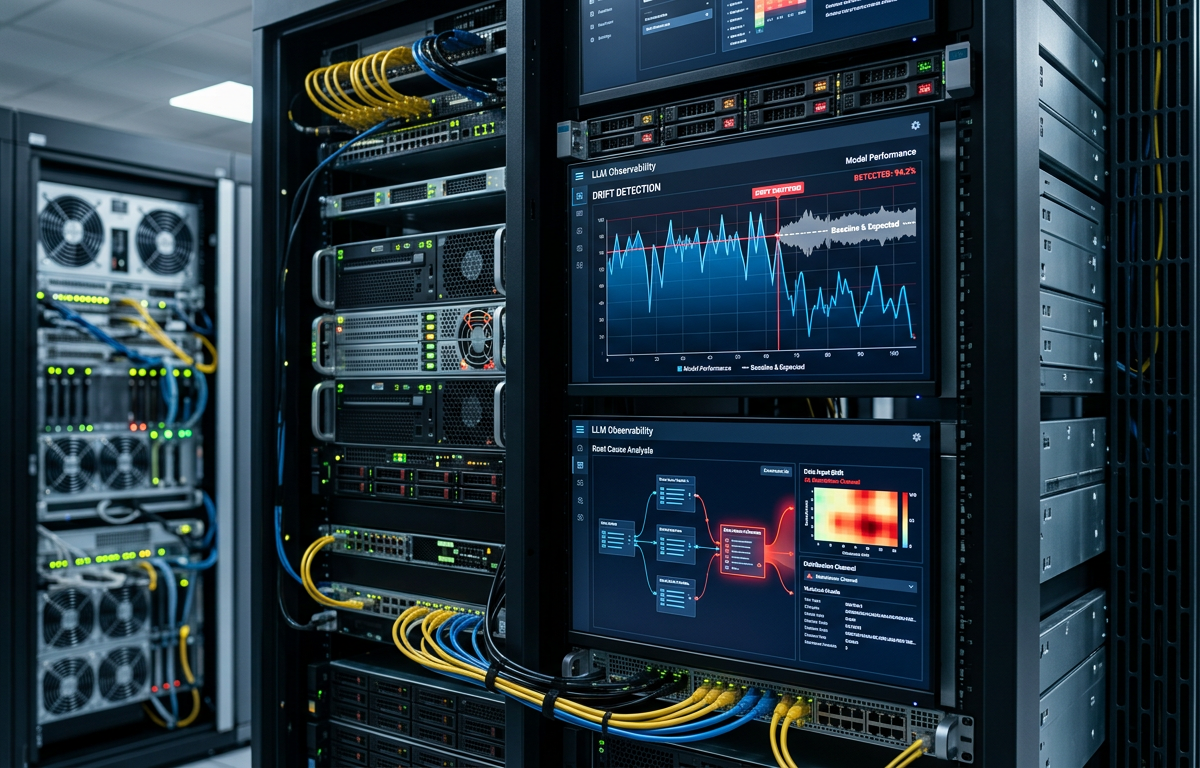
Platform capabilities and technical insights
LLM Observability: Why Custom AI Models Need Different Monitoring
Custom AI models degrade silently in production. Most mid-market distributors discover this weeks after the damage begins—when pricing errors accumulate, inventory misallocates, or search results decay. Model drift is silent cost leakage that compounds over time.
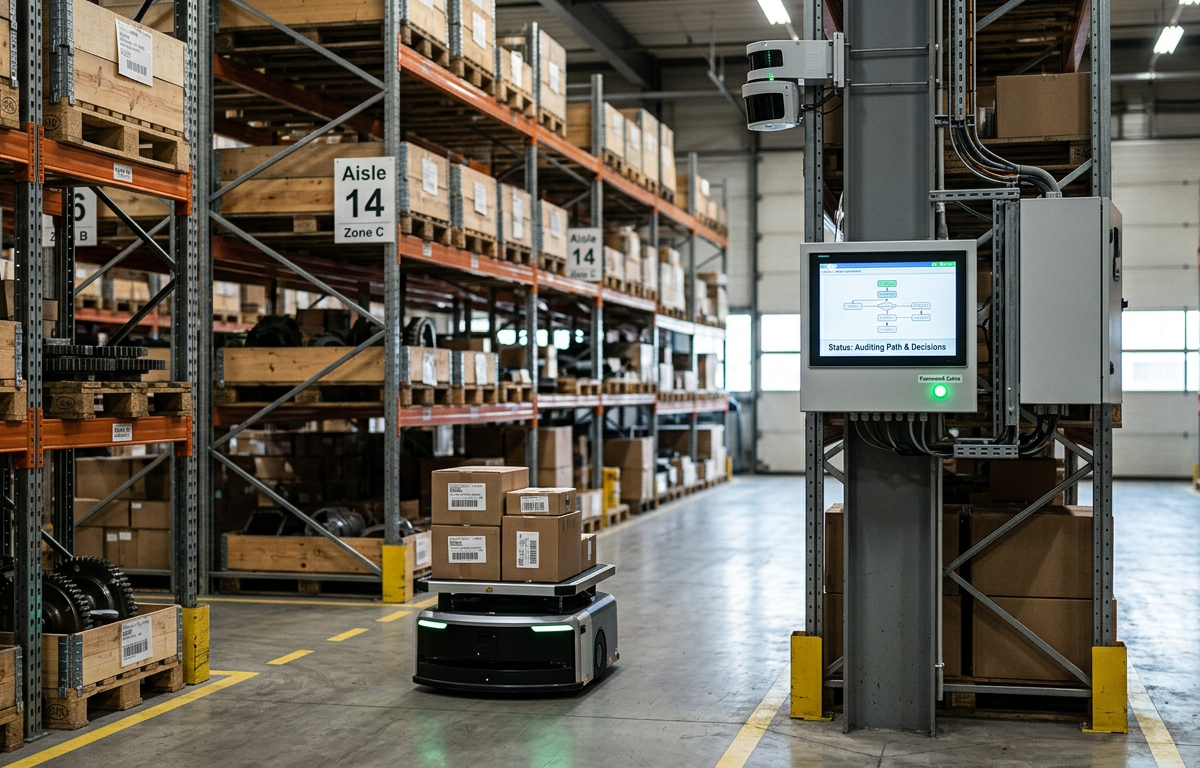
Platform capabilities and technical insights
Controlled Automation: The Governance Framework Mid-Market Distributors Need Before Deployment
Autonomous agents can accelerate decisions and reduce costs in B2B commerce. But most mid-market distributors lack the governance frameworks to deploy them safely. Without audit trails, decision boundaries, escalation rules, and performance monitoring, autonomous systems become liabilities. This article maps the four control pillars required before autonomous everyday work goes into production - and the practical roadmap for implementing them without killing velocity.
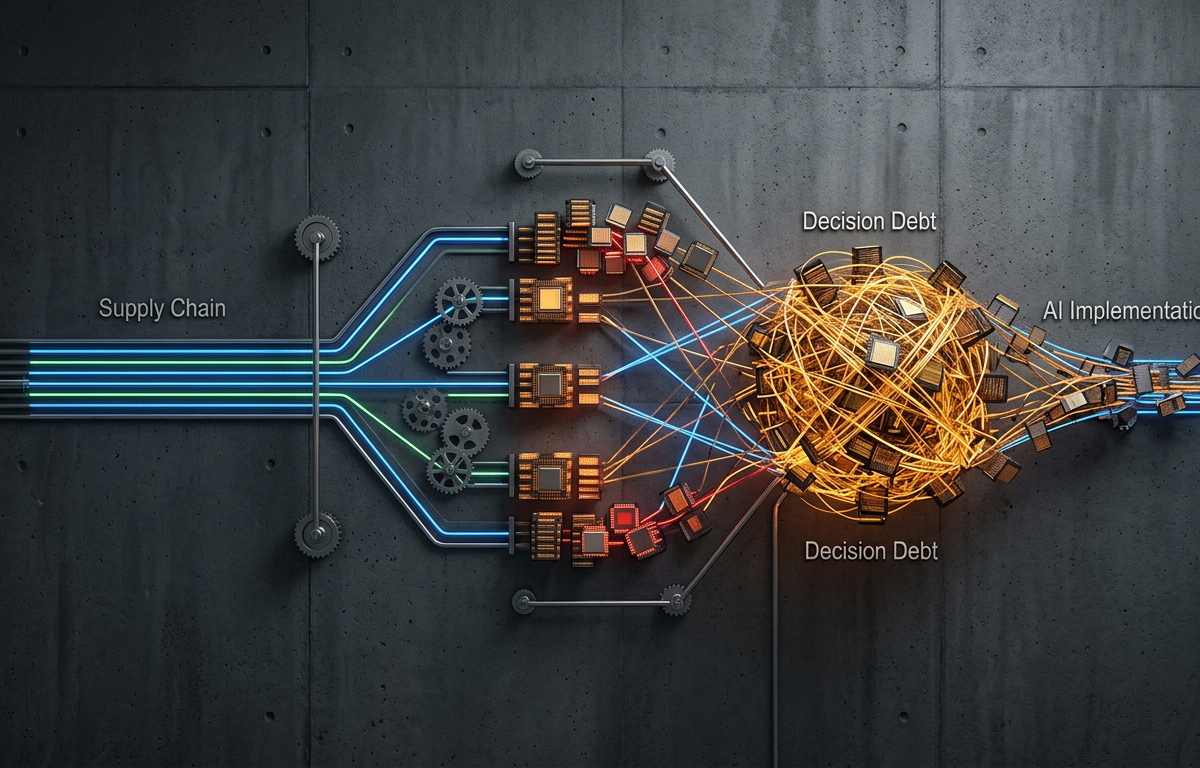
Operational workflow improvement
Supply Chain Workflow Debt: How Deferred Planning Choices Compound into AI Failure
Most mid-market distributors rush to AI deployment without auditing what they're actually deciding. A Nottinghamshire food wholesaler spent £85,000 on demand forecasting AI that sat dormant because buying decisions existed only in one person's head. The pre-implementation audit - decision inventory, assumption mapping, rule documentation - is the gate that determines whether AI works or sits unused.
Related Articles

Platform capabilities and technical insights
System Integration Challenges: When Legacy Meets Modern AI
A legacy ERP connects to a modern AI pricing platform. A field mapping breaks. Prices don't update. Nobody notices for 48 hours. By then, £15,000-£30,000 in margin has leaked. Silent failures are worse than loud ones because they compound. Real-time data observability makes these failures visible and resolvable before they cost money.
Platform capabilities and technical insights
LLM Observability: Why Custom AI Models Need Different Monitoring
Custom AI models degrade silently in production. Most mid-market distributors discover this weeks after the damage begins—when pricing errors accumulate, inventory misallocates, or search results decay. Model drift is silent cost leakage that compounds over time.
Was this article useful?