
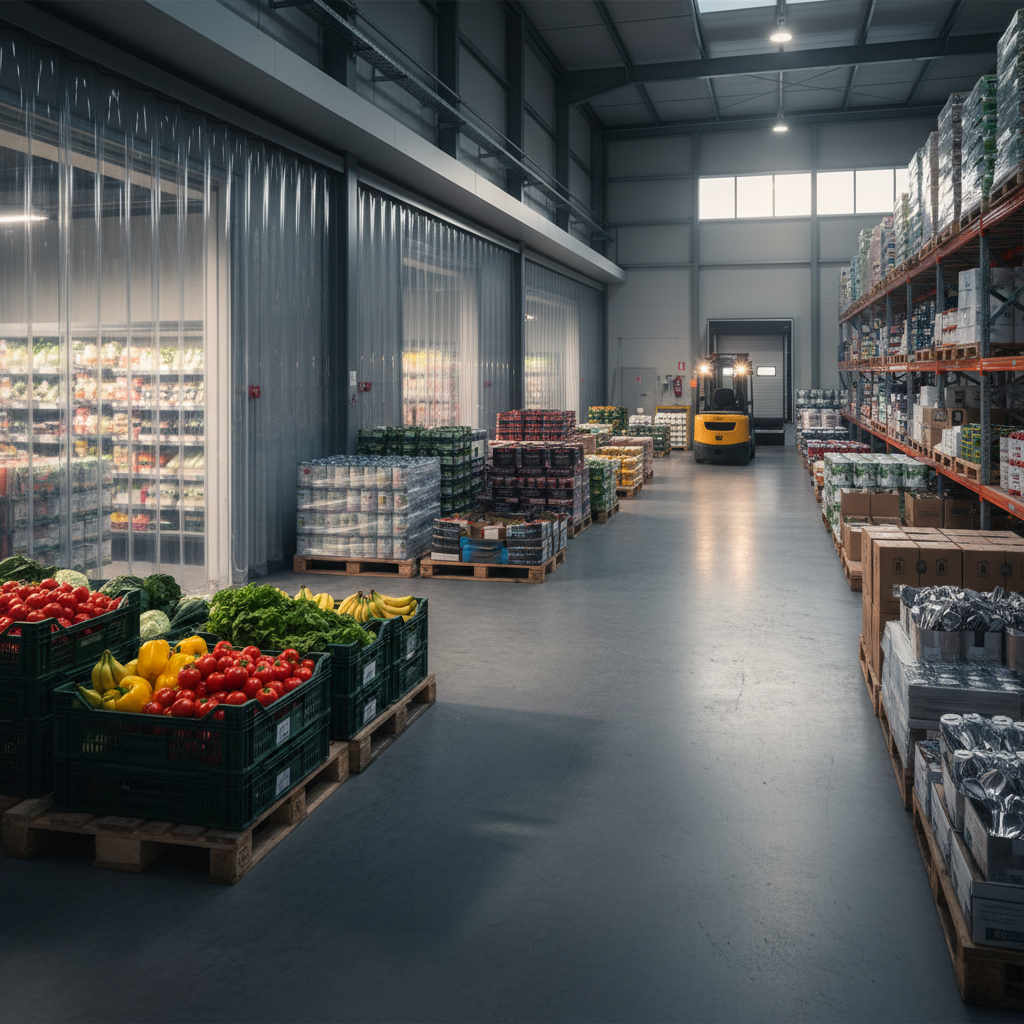
Kitchen timing and delivery windows in foodservice distribution
Foodservice distributors face unique operational challenges: volatile commodity pricing, perishable inventory, and complex delivery scheduling. Generic AI platforms don't understand these realities.
Hundreds of pricing decisions every day. Perishable stock that writes itself off if you get the demand forecast wrong. Commodity prices that shift overnight and customer-specific terms that your ERP system doesn't track properly. This is the operational reality for foodservice distributors - not the clean world of fixed pricing and stable inventory that most AI platforms assume.
The problem isn't missing technology. Most foodservice operations run on decent ERP systems, have order management platforms, and track inventory movements. The problem is fragmented everyday work. Pricing decisions happen in spreadsheets because the system can't handle delivered pricing with customer rebates. Inventory buyers work from gut feel because the replenishment system doesn't understand shelf life. Route planning gets done manually because the software doesn't know that restaurants need deliveries before 10am prep times.
Foodservice distribution needs AI that understands these operational realities - not generic platforms that treat all products like widgets with infinite shelf lives. This isn't about transformation. It's about making the decisions you already make every day faster, more consistent, and more profitable.
Foodservice Has a Workflow Problem, Not a Technology Problem
Walk into any foodservice distributor's office at 7am. The commercial team is already updating pricing spreadsheets based on overnight commodity reports. Wheat up 3%, tomato prices volatile because of weather in Spain, energy surcharges changing again. By 8am, those price changes need to flow through to customer-specific delivered pricing, accounting for contract terms, volume rebates, and drop size economics.
This isn't a technology gap - it's a decision bottleneck. The ERP knows what customers pay. The procurement team knows what commodities cost. The commercial team knows the margin targets. But connecting these three pieces of information into a pricing decision takes manual work, spreadsheet updates, and email approvals that stretch across days.
The challenge multiplies when you're managing 12,000+ SKUs across fresh, frozen, and ambient ranges. Each product has different margin dynamics, different supply volatility, and different customer demand patterns. The artisan sourdough that sells to gastropubs behaves completely differently to the frozen chips that move through contract caterers. One pricing model doesn't fit both.
Generic AI platforms promise to solve this with machine learning algorithms that optimise for "profitability". But they don't understand delivered pricing. They can't handle customer-specific contract terms. They don't know that some customers pay on delivery while others run 60-day payment terms that affect cash flow pricing. They see revenue optimisation where foodservice sees relationship management.
Pricing 12,000 SKUs When Commodity Costs Move Daily
A foodservice distributor managing 12,000+ SKUs reduced pricing decision time from three days to 30 minutes after deploying pricing intelligence that understood their operational reality. The system connected commodity price feeds directly to customer-specific delivered pricing, accounting for contract terms, rebates, and drop size economics automatically. The 6% margin improvement translated to £180K-£240K in recovered annual margin - not from raising prices, but from making pricing decisions fast enough to capture margin opportunities.
The transformation wasn't in the technology - it was in the speed. When wheat futures jumped 4% overnight, the previous process required manual spreadsheet updates, commercial team review, account manager approval, and system updates that took until Thursday to implement. By Thursday, the commodity cost had already moved again. The margin opportunity disappeared into administrative delay.
Foodservice pricing is complex because the relationships are complex. The contract caterer buying 50 cases of frozen chips weekly gets different pricing than the pub chain ordering 5 cases monthly. The hotel group with 60-day payment terms pays differently than the restaurant paying on delivery. The seasonal menu customer ordering asparagus in May gets availability pricing that reflects supply constraints.
Each of these relationships requires different pricing logic. Contract volume commitments trigger rebate calculations. Delivered pricing varies by postcode because fuel costs and route density change. Payment terms affect working capital costs that should flow through to pricing. Case break pricing encourages order sizes that improve route efficiency.
Dynamic pricing intelligence for foodservice isn't about algorithmic price optimisation - it's about automating the pricing logic that commercial teams already know. The system handles the calculation complexity while preserving the relationship dynamics that drive foodservice revenue. Price changes implement in minutes, not days. Margin opportunities get captured, not missed.
Perishable Inventory and the Cost of Getting It Wrong
Order too little fresh produce and you lose sales to out-of-stocks. Order too much and you write off short-dated stock at 20% of purchase price. The margin between availability and wastage is measured in days, sometimes hours. Traditional replenishment systems calculate reorder points based on average demand and assume infinite shelf life. In foodservice, both assumptions are wrong.
Lettuce has a 7-day shelf life. Strawberries peak for 3 days. Dairy products vary by supplier and production date. The fresh fish that arrives Monday needs to move by Wednesday or it becomes a loss. Replenishment decisions happen against demand uncertainty and perishability constraints that generic inventory systems don't understand.
Predictive replenishment for perishable goods requires demand forecasting that accounts for seasonal menu cycles, weather impacts, and customer ordering patterns. The pub chain ordering salads increases volume during summer months. The contract caterer serving schools reduces fresh produce orders during holiday periods. The hotel restaurant adjusts inventory based on occupancy forecasts that arrive weekly.
The intelligence lies in understanding these demand patterns against perishability windows. Machine learning algorithms identify when the gastropub typically orders organic vegetables (Thursday for weekend service). They predict how weather forecasts affect salad demand across restaurant customers. They calculate optimal order quantities that balance availability against wastage costs.
But the real value comes from exception management. When the algorithm predicts that strawberry demand will exceed supply based on current orders and weather patterns, it flags the shortage early enough for procurement intervention. When a customer's ordering pattern shifts significantly, it identifies potential menu changes or operational issues that affect demand. When shelf life tracking shows slow-moving stock, it prioritises those products for commercial team attention.
Predictive Replenishment System designed for perishable inventory tracks shelf life alongside demand patterns. The system knows that rotating stock for freshness isn't just good practice - it's margin protection. Every day of extended shelf life translates directly to reduced write-offs and improved gross margins.
Delivery Routing That Respects the Kitchen Schedule
Foodservice delivery isn't retail delivery. Restaurants need ingredients before prep times, which typically start at 10am for lunch service and 4pm for dinner. Contract caterers serving breakfast need deliveries by 6am. Hotels require different timing based on occupancy and event schedules. The delivery window isn't customer preference - it's operational necessity.
Generic routing software optimises for distance and vehicle capacity. It doesn't understand that delivering to a restaurant at 2pm is operationally worthless because lunch prep is finished. It doesn't know that frozen and fresh products can't share vehicle space without temperature controlled compartments. It can't handle the multi-drop routes where each stop has different timing requirements.
Smart fulfilment for foodservice accounts for these operational constraints. The routing algorithm knows each customer's delivery window requirements. It understands temperature zones and vehicle specifications. It optimises routes for operational success, not just cost efficiency.
The complexity multiplies with mixed loads. A single route might deliver frozen chips to a pub (any time before 4pm), fresh fish to a restaurant (before 10am), and dry goods to a contract caterer (by 8am). The routing engine sequences stops to meet all timing requirements while minimising total route time and fuel costs.
Temperature requirements add another layer. Frozen products need -18°C storage. Fresh produce requires 2-4°C. Dairy operates at different temperatures than meat. Some vehicles have multi-temperature capability; others are single-zone. The routing decision incorporates vehicle specifications alongside customer requirements and delivery timing.
Smart Fulfilment Engine for foodservice distribution typically reduces delivery costs by 15-25% while improving on-time performance to 98%+. The savings come from route optimisation that respects kitchen schedules rather than fighting them. When deliveries arrive when kitchens need them, customer satisfaction improves alongside operational efficiency.
Why Generic AI Platforms Fail in Foodservice
Generic AI platforms promise universal solutions. Upload your data, connect your systems, and watch machine learning optimise your business. In practice, foodservice operations break these generic approaches because the domain complexity doesn't match the platform assumptions.
Generic pricing AI assumes stable cost bases and predictable demand. Foodservice operates with commodity volatility and seasonal menu cycles. Generic inventory AI assumes products with consistent shelf lives and linear demand patterns. Foodservice manages perishable goods with exponential decay curves and weather-dependent demand. Generic routing AI optimises for cost efficiency. Foodservice requires delivery precision that respects kitchen operations.
The gap isn't in the AI sophistication - it's in the domain knowledge. Generic platforms excel at pattern recognition across large datasets. But they don't understand that foodservice customers order differently on bank holidays, that fresh produce prices spike during harvest disruptions, or that restaurant delivery windows align with prep schedules rather than cost minimisation.
Foodservice-specific intelligence builds these operational realities into the algorithms. The pricing engine connects commodity feeds to customer-specific delivered rates. The replenishment system balances demand forecasting against perishability windows. The routing algorithm optimises for kitchen schedules alongside cost efficiency.
This isn't about building entirely new technology - it's about configuring proven AI approaches for foodservice operational reality. The machine learning techniques are established. The innovation lies in training the models on foodservice data patterns and embedding foodservice business logic into the decision frameworks.
Where generic platforms offer broad capabilities across industries, domain-specific intelligence delivers deeper solutions for specific sectors. The commercial director managing foodservice distribution needs AI that understands wastage, drop sizes, and commodity volatility - not general-purpose optimisation that treats restaurants like retail customers.
Starting With the Decision That Costs You Most
Most foodservice distributors considering AI wonder where to start. The operational challenges touch every part of the business: pricing, inventory, routing, customer management, supplier relations. The instinct is comprehensive transformation. The reality is that focused intervention delivers better results.
For most foodservice operations, the highest-impact starting point is pricing. Not because pricing is the only important decision, but because pricing decisions happen most frequently and have the clearest margin impact. When commodity costs shift daily and customer terms vary significantly, pricing speed directly affects profitability.
A focused pricing implementation delivers measurable ROI within 90 days. The system connects to existing commodity feeds and customer data. Pricing logic gets configured to handle contract terms, rebates, and delivered pricing calculations. The commercial team maintains control over margin targets and customer relationship decisions while automating the calculation complexity.
Success with pricing creates momentum for expansion. Once the team experiences everyday work at AI speed for pricing, the value of similar automation for replenishment and routing becomes obvious. The data foundations established for pricing support inventory and fulfilment intelligence. The trust built through pricing success reduces implementation risk for broader capabilities.
This staged approach respects the operational reality that foodservice distributors can't stop serving customers to implement new systems. Pricing intelligence integrates with existing workflows while demonstrating clear value. Replenishment optimisation builds on established data connections. Route planning leverages customer relationships already enhanced by more responsive pricing.
The transformation isn't in the technology architecture - it's in the decision speed. When pricing updates implement in 30 minutes instead of 3 days, when inventory orders reflect actual demand patterns instead of historical averages, when delivery routes respect kitchen schedules instead of ignoring them, the operational efficiency improvements compound across the entire business.
Foodservice distribution has specific operational challenges that generic AI platforms don't address. Dynamic Pricing Intelligence handles commodity volatility, customer-specific terms, and perishable margins with the speed your commercial team needs.
Common questions
How can AI help foodservice distributors manage complex pricing decisions with 12,000+ SKUs and fluctuating commodity prices?
AI can automate pricing logic by connecting commodity price feeds directly to customer-specific delivered pricing, accounting for contract terms, rebates, and drop size economics. This can reduce pricing decision time from three days to 30 minutes, capturing margin opportunities faster.
What specific problems do generic AI platforms have when applied to foodservice pricing, especially concerning customer relationships?
Generic AI platforms don't understand delivered pricing, customer-specific contract terms, or varying payment terms (e.g., 60-day vs. on-delivery). They focus on revenue optimization, often missing the complex relationship management dynamics crucial to foodservice.
What tangible financial benefits can a foodservice distributor expect from implementing AI-driven pricing intelligence?
One distributor managing 12,000+ SKUs saw a 6% margin improvement, translating to £180K-£240K in recovered annual margin. This was achieved by making pricing decisions fast enough to capture margin opportunities before they disappeared due to administrative delays.
How does AI address the challenges of managing perishable inventory with varying shelf lives in foodservice distribution?
AI enables predictive replenishment for perishable goods by incorporating demand forecasting that considers seasonal menu cycles, weather impacts, and customer ordering patterns. This helps overcome the limitations of traditional systems that assume infinite shelf life and average demand.

Heddwyn Coombs
Co-founder & Digital Director
Heddwyn is a co-founder of WithPraxis. He has spent 30 years helping mid-market businesses make better operational decisions, first in commerce technology, now in applied AI. He works directly with MDs and ops directors to design and implement AI that earns its keep.
Connect on LinkedInMore in this cluster
Continue exploring this topic
Platform capabilities and technical insights
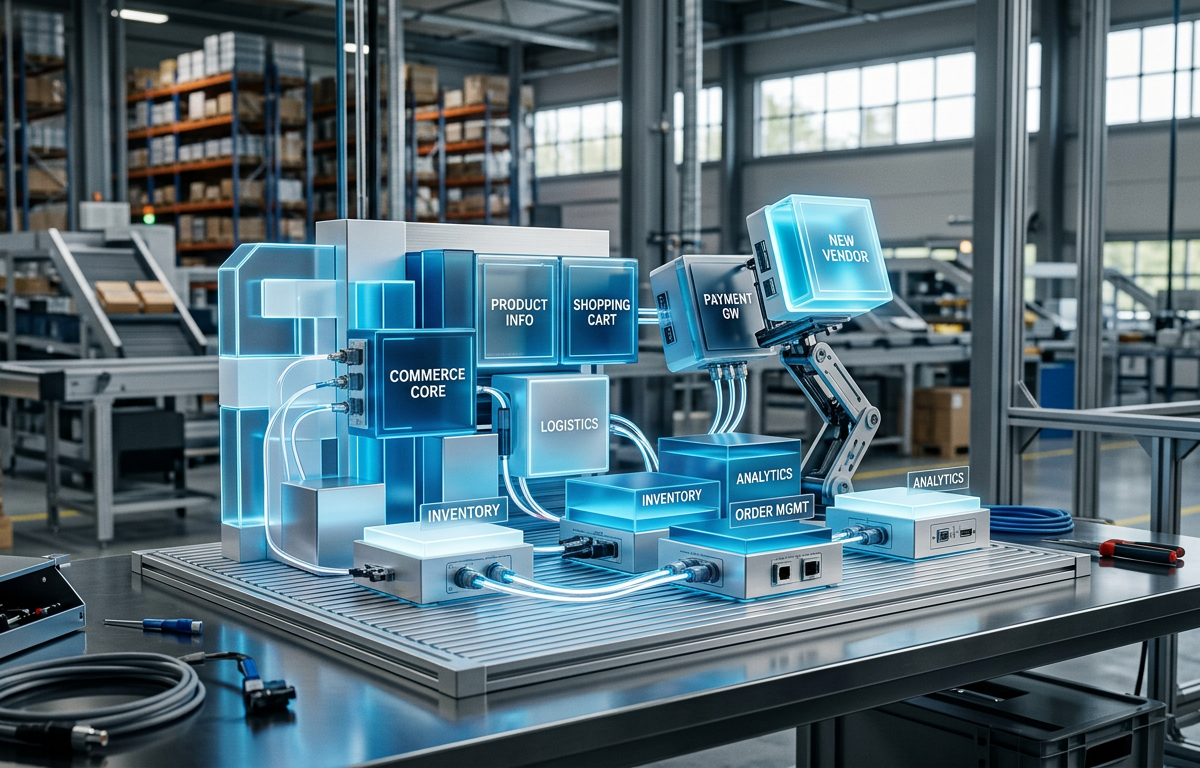
Composable Commerce Architecture: Building Modular Systems That Evolve With Your Business
A Midlands foodservice distributor spent £240,000 recovering from a pricing error in 2024. Their monolithic commerce platform took three days to update prices across 12,000 SKUs. Commodity costs moved faster than their approval cycle. By the time new prices went live, margins had eroded. The problem wasn't the platform. It was the architecture. Pricing, inventory, and order management sat in one system. Upgrading the pricing engine meant ripping out everything else. The platform vendor quoted 18 months and £180,000 for a custom pricing module. The distributor couldn't wait that long. This is the composable commerce question: when one component fails, can you swap it without dismantling the entire system?
Platform capabilities and technical insights
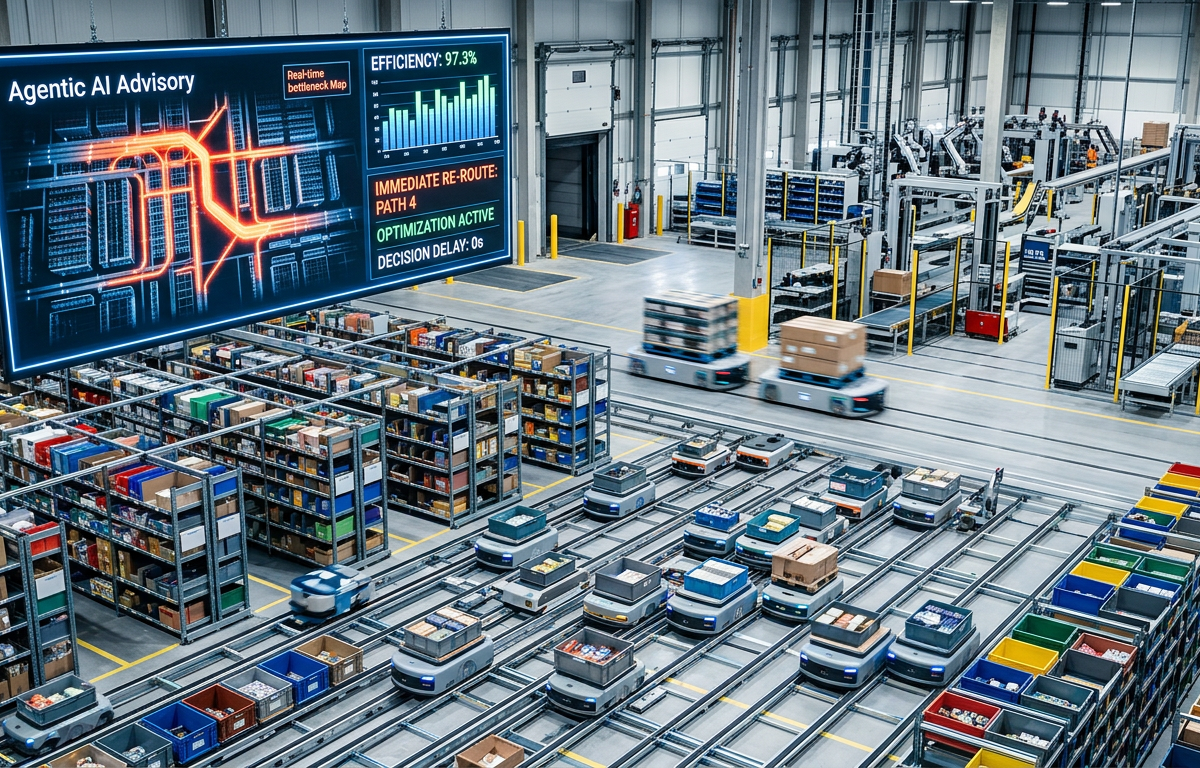
Agentic AI Advisory: When Your Operations Need Real-Time Workflow Support, Not Quarterly Reviews
A foodservice distributor takes three days to change a price. By the time the spreadsheet is approved and uploaded, the margin opportunity has passed. A seven-depot building merchant routes deliveries manually each morning, missing optimisation windows that close by 9am. A fashion retailer delays markdown decisions until stock levels force action, tying up £180,000 in slow-moving inventory for an extra six weeks. Workflow delay costs more than imperfect decisions made fast.
WithPraxis
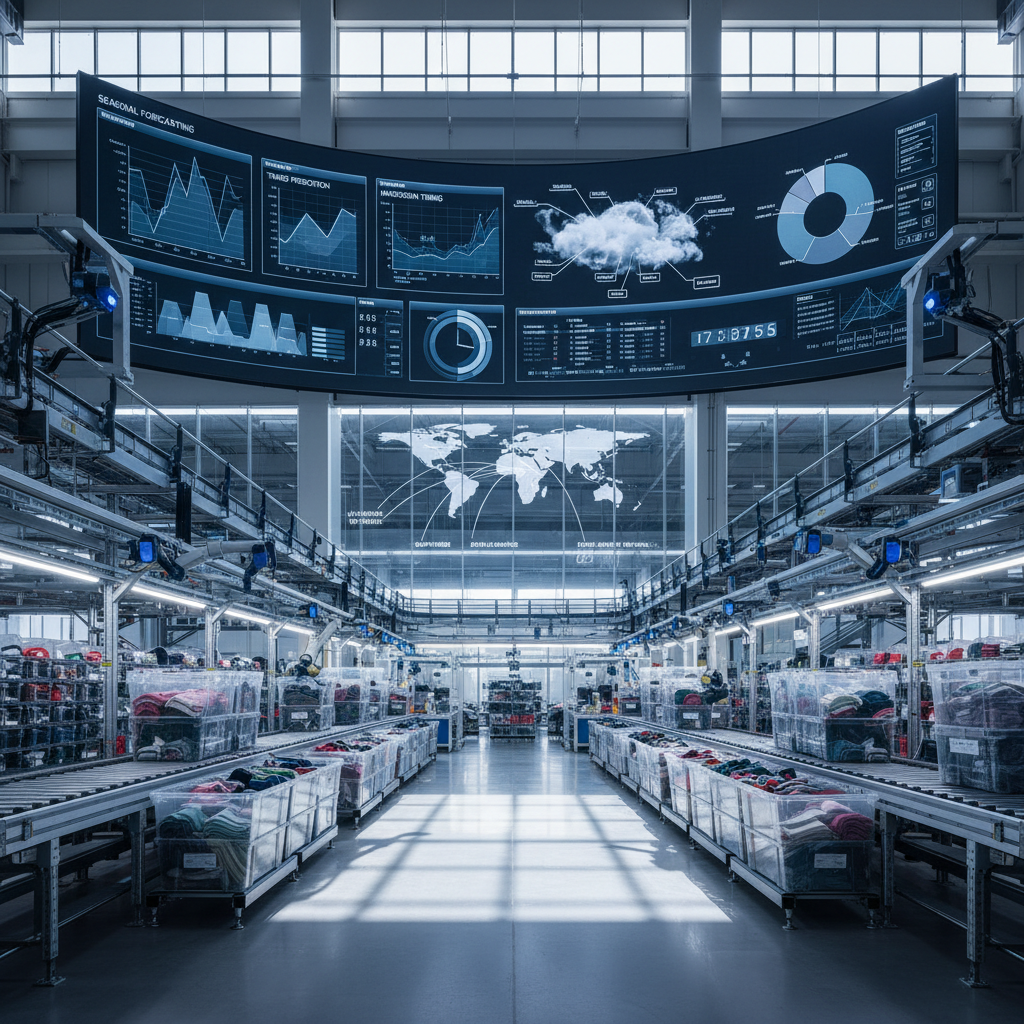
Fashion Distribution Intelligence: How AI Transforms Seasonal Buying Decisions
Fashion distributors write off £25,000-£45,000 in dead stock each season from three decisions made six months early: style selection, quantities, and size curves. Applied AI transforms seasonal planning by handling complex optimisation while preserving buyer expertise in trend interpretation.
Related Articles
Commerce operations insights and applications
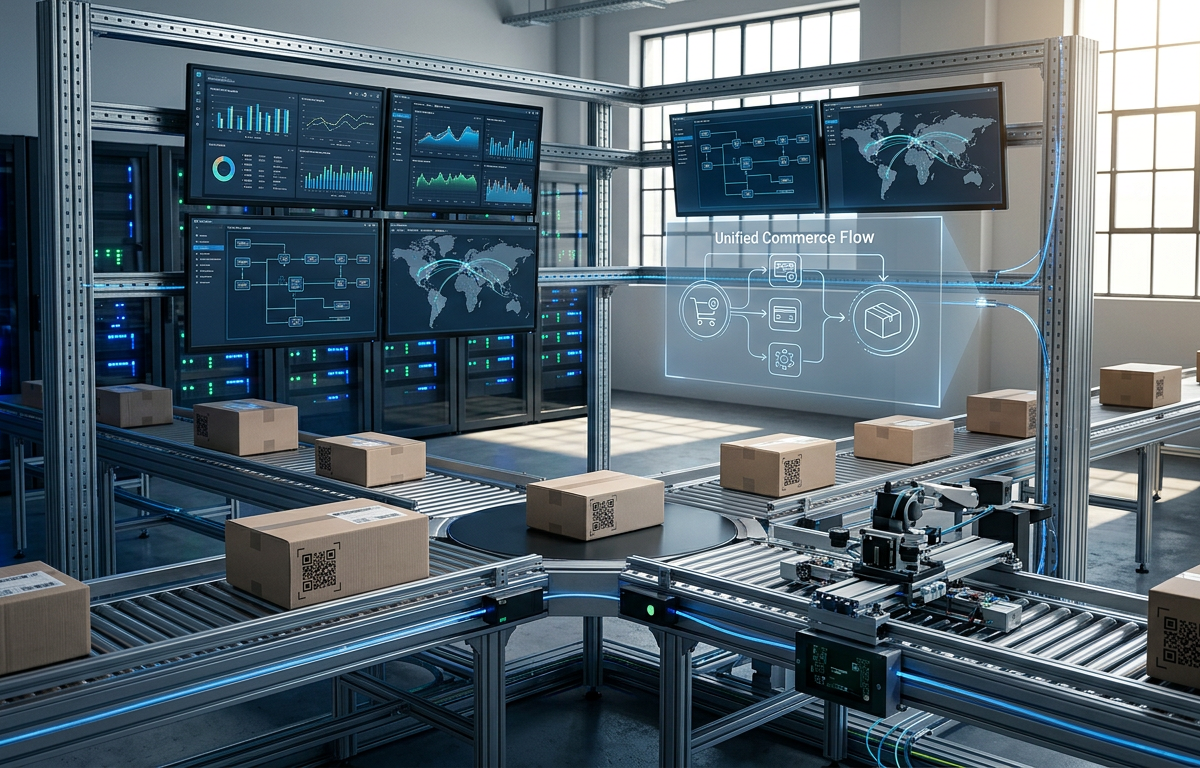
Unified Commerce Intelligence: Orchestrating Revenue Across Omnichannel B2B Transactions
A £60M foodservice distributor processes orders through four channels: Shopify Plus, EDI feeds, phone, and WhatsApp. Each channel lands in a different system. Web orders sync to the ERP overnight. EDI orders arrive every 15 minutes but don't update inventory visibility until the next batch run. Staff key phone orders directly into the ERP. Staff transcribe WhatsApp orders into a spreadsheet, then manually enter them. The operations director calculated the cost. Pricing inconsistencies between channels cost £180K annually in margin leakage. A customer quoted £4.20/kg for chicken thighs on the phone receives a different price (£4.45/kg) when they order the same product via the website three days later. They call to query it. The phone team has no visibility of the web order. They create a second order. By the time staff spot the duplicate, the customer has been invoiced twice and the stock has been picked. Resolution takes 90 minutes and involves three people.
Commerce operations insights and applications
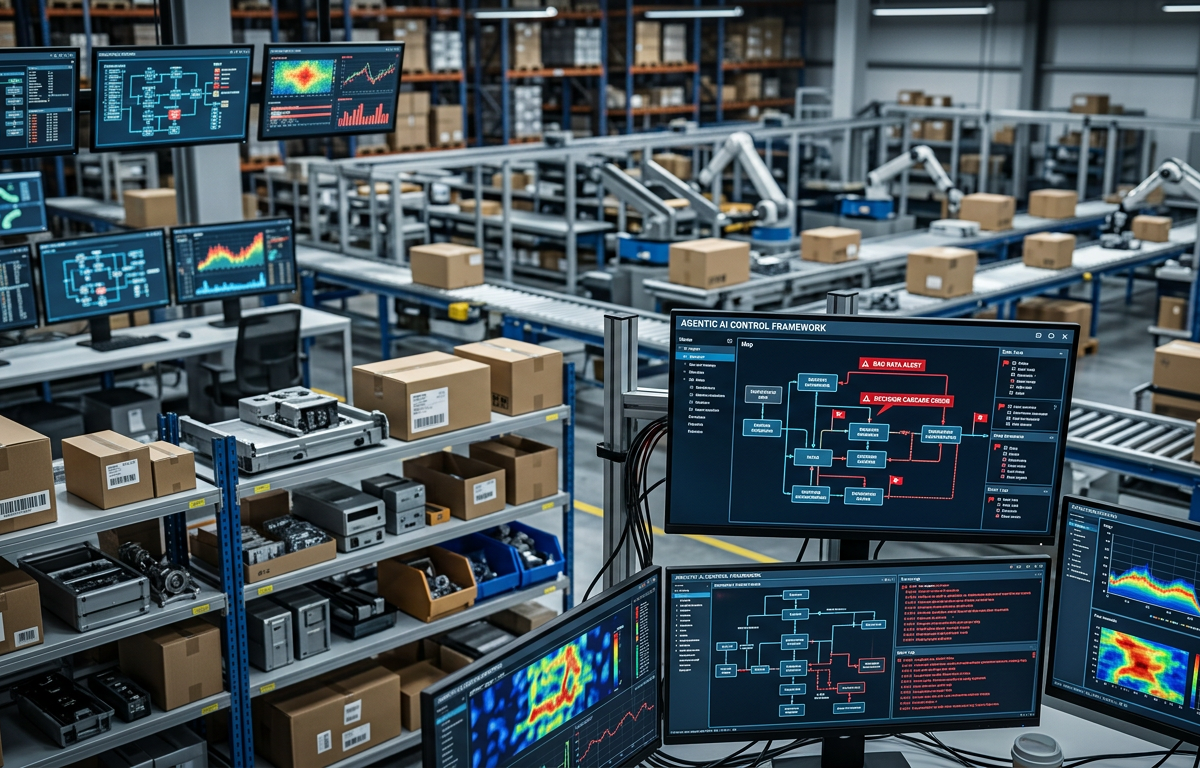
Agentic AI Observability: Detecting When Your Autonomous Systems Are Operating on Bad Data
Agentic systems fail quietly. A pricing agent drifts 2% below target margin over eight weeks, processing 4,200 decisions before anyone notices. Margin leakage: £87,000. The agent didn't crash or throw errors—it just made slightly wrong decisions, consistently, for two months. Gartner predicts 40% of agentic AI projects will be cancelled by 2027, primarily due to silent degradation that compounds into operational disasters.
Was this article useful?