

Fashion Distribution Intelligence: How AI Transforms Seasonal Buying Decisions
Fashion distributors write off £25,000-£45,000 in dead stock each season from three decisions made six months early: style selection, quantities, and size curves. Applied AI transforms seasonal planning by handling complex optimisation while preserving buyer expertise in trend interpretation.
Fashion Distribution Intelligence: How AI Transforms Seasonal Buying Decisions
The average fashion distributor writes off £25,000-£45,000 in dead stock each season. Most of this waste comes from three decisions made six months before the goods hit the shelf: which styles to buy, in what quantities, and with which size curves.
These decisions define profitability in fashion distribution. Get them right, and you clear inventory at full margin while maintaining 95%+ fill rates. Get them wrong, and you spend the season discounting slow-sellers while watching core sizes sell out.
Applied AI changes how fashion distributors approach seasonal planning. Not by replacing buyer expertise, but by processing the data signals that human analysis cannot handle at scale: historical size performance by style attributes, regional demand patterns, and early trend indicators from social and search behaviour.
The Seasonal Forecasting Challenge
Autumn/Winter 2024 buying decisions were locked in during March 2024. Six months before the first garment reached customers, buyers committed to styles, quantities, and size ratios based on trend predictions, last year's performance, and market intelligence.
This timeline compression creates compounding forecast errors. A 20% volume misjudgement multiplied by incorrect size curves leaves distributors with 40% more stock in the wrong configurations. Small independents carry 15-20 days of excess inventory. Larger fashion distributors often hold 25-30 days of slow-moving stock across their seasonal ranges.
Traditional forecasting treats each decision in isolation. Buyers use spreadsheets to model volume by style, then apply standard size curves, then estimate regional allocation. Each step introduces error. The spreadsheet cannot process interactions between style attributes, seasonal timing, and local market preferences simultaneously.
Fashion's compressed decision windows make these errors expensive. Unlike other categories, fashion distributors cannot easily correct mid-season. Production lead times, minimum order quantities, and supplier capacity constraints mean the buying decision largely determines the outcome.
Regional variation adds complexity that spreadsheet analysis cannot handle systematically. A midi dress sells predominantly in M/L in Manchester but requires more S/XS allocation in London. Fabric weight preferences vary by geography and customer demographic. Traditional planning averages these differences out, leaving money on the table in every market. This is the same pattern explored in why most commerce businesses don't need AI strategy - buyer expertise stays central, but inventory velocity intelligence handles the interaction effects no spreadsheet can.
Size Curve Optimisation Beyond Averages
Size curve errors cost fashion distributors more than volume misjudgements. Standard industry ratios - typically 10% XS, 25% S, 30% M, 25% L, 10% XL - rarely match actual demand patterns for specific styles, seasons, and customer segments.
A bodycon dress sells differently than an oversized blazer. Jersey fabrics size differently than structured wovens. £200 price points attract different customer demographics than £50 items. Customer age profiles vary by distribution channel - online vs retail vs wholesale. Each variable changes the optimal size curve.
Manual size curve planning relies on averages because buyers cannot process the interaction effects at scale. A buyer managing 500 SKUs cannot analyse historical size performance by fabric type, silhouette, season, price band, and channel combination for each style. The cognitive load is too high, so they default to category averages.
Applied AI processes these interactions systematically. AI analysis of historical sales data by product attributes reveals that loose-fit knitwear in autumn requires 15% more XL/XXL allocation than the same silhouettes in spring. Structured blazers at premium price points skew toward S/M sizing regardless of season. Occasion wear shows different size patterns than casual wear, even within the same fabric category.
A fashion distributor we worked with carried 35% of their seasonal stock in XS and XXL sizes that moved slowly. Analysis showed their size curves were based on total category averages rather than style-specific patterns. AI-driven size optimisation reduced slow-moving inventory by 40% while improving core size availability from 78% to 94%.
The system learned that their jersey dresses needed different size curves than their woven dresses, their autumn coats required different XL+ allocation than their spring jackets, and their online channel showed different size preferences than their wholesale customers. Human buyers provided the trend insight and style selection; AI optimised the size mathematics.
Trend Prediction: Combining Buyer Expertise with Data Intelligence
Fashion buyers excel at interpreting cultural signals - celebrity styling, runway influences, social sentiment around emerging trends. They understand the narrative that drives customer desire: why oversized blazers feel relevant now, why certain colour palettes resonate with their customer base, why particular silhouettes gain momentum.
AI supplements this expertise by processing data signals that human analysis cannot handle at scale: search behaviour changes, social media mention patterns, competitor launch timing, and early sales velocity indicators across similar product categories.
The athleisure trend acceleration in 2023 provides a clear example. Experienced fashion buyers noticed increased interest in comfortable, versatile clothing during 2022. But the data showed the trend was moving faster than traditional analysis suggested. Search volumes for "joggers", "hoodies", and "trainers" were increasing 15-20% month-over-month. Social media mentions of comfort-focused styling were outpacing occasion wear by 3:1. Competitor launches in the athleisure category were accelerating.
AI systems flagged this acceleration 8-12 weeks before traditional trend forecasting caught it. Not because AI understood the cultural drivers better than human buyers, but because it processed search, social, and competitive data at scale while buyers focused on style selection and trend interpretation.
The most effective fashion distribution intelligence combines both capabilities. Buyers identify which trends matter and why they resonate with customers. AI quantifies trend momentum, timing, and demand patterns. Buyers make the creative decisions; AI handles the complex optimisation of quantities, size curves, and regional allocation.
This collaboration model works because it preserves the buyer's strategic role while removing the forecasting mathematics that spreads their attention too thin. A senior buyer told us: "I want to spend my time understanding why customers love certain silhouettes, not calculating size ratios for 200 different styles."
Markdown Timing and Inventory Clearance
Markdown decisions determine seasonal profitability in fashion distribution. Mark down too early, and you leave full-margin sales on the table. Mark down too late, and inventory doesn't clear before season-end write-offs become necessary.
Most fashion distributors follow calendar-based markdown schedules: 20% off after 8 weeks, 40% off after 12 weeks, 50% off after 16 weeks. This approach ignores sell-through velocity, competitive pricing, seasonal timing, and style-specific demand patterns. It optimises for simplicity rather than margin preservation.
Applied AI optimises markdown timing by style performance rather than calendar schedule. AI analyses sell-through velocity against historical patterns for similar styles, monitors competitive pricing across the market, and factors in remaining seasonal selling weeks to determine optimal discount timing and depth.
A fashion & lifestyle retailer we worked with followed blanket markdown schedules that cleared inventory but destroyed margins. Analysis showed their fast-moving core styles were being discounted at the same schedule as their slow-sellers. Popular items that could have sold at full price for another 4-6 weeks were being marked down prematurely.
AI-driven markdown optimisation delivered 8% margin improvement by treating each style individually. Fast-sellers stayed at full price longer. Slow-sellers received earlier, deeper discounts to ensure clearance. Popular styles in wrong sizes received targeted discounts to move excess inventory while maintaining full price on core sizes.
The system learned that their dress category could sustain full margins 2-3 weeks longer than their jacket category. Their premium price points held value better than mid-range items. Their core customer base was less price-sensitive than assumed, allowing extended full-price selling periods for hero styles.
Seasonal demand forecasting improved to 85% accuracy by incorporating style attributes, competitive analysis, and early sales velocity indicators. Instead of guessing which items would sell through and which required aggressive markdowns, the system provided sell-through predictions that guided both initial buying and subsequent pricing decisions.
Implementation Reality: Data, Integration, and Change Management
Fashion distribution intelligence requires three data foundations: historical sales performance, detailed product attributes, and external market signals. Most fashion distributors have the sales history but lack the systematic product attribution and market intelligence required for AI-driven workflow support.
Sales history needs style-level detail: not just "dress sales" but dress sales by silhouette, fabric, colour, price point, and size. Product attributes must be structured and consistent: loose vs fitted, jersey vs woven, workwear vs occasion wear. This attribution often requires data cleanup and standardisation before AI implementation begins.
External signals - search trends, social sentiment, competitive intelligence - typically require new data connections. Fashion distributors rarely have systematic access to market intelligence beyond trade publications and buyer intuition. Connecting these signals into workflow support applications takes 6-8 weeks of data pipeline development.
Integration with existing systems varies by distributor setup. Fashion businesses typically run commerce platforms, inventory management systems, and buying/planning tools. The AI layer connects to existing systems rather than replacing them. Buyers continue using familiar tools with AI recommendations surfaced where decisions are made.
Change management focuses on workflow adaptation rather than system replacement. Buyers learn to review AI-generated size curves and quantity recommendations alongside trend analysis and style selection. The skill requirement shifts from forecast mathematics to recommendation evaluation and trend interpretation.
Implementation timeline for fashion distributors typically follows a 4-week pilot on one product category, followed by 90-day full deployment across seasonal ranges. The pilot validates data quality, tests integration points, and allows buyers to adapt workflow before full-scale rollout.
Buyer engagement from day one determines success. Fashion distribution intelligence works when AI handles complex optimisation while buyers focus on trend identification and creative decisions. If buyers feel replaced rather than augmented, the implementation fails regardless of technical capability.
Fashion distribution profitability depends on decisions made months before goods reach customers: which styles to buy, in what quantities, with which size curves, and when to markdown slow-sellers. These decisions involve complex optimisation across multiple variables that human analysis cannot process systematically.
Applied AI transforms seasonal planning by handling the mathematical complexity while preserving buyer expertise in trend interpretation and style selection. AI processes historical performance patterns, size curve optimisation, competitive intelligence, and markdown timing at scale. Buyers focus on understanding customer preferences and identifying emerging trends.
The operational impact shows in measurable outcomes: 25-40% reduction in dead stock, 8-15% margin improvement through optimised markdown timing, and 90%+ fill rate maintenance on core styles. Implementation takes quarters, not years, because the AI augments existing processes rather than replacing established workflows.
Common questions
How much dead stock do fashion distributors typically write off each season, and what are the main causes?
Fashion distributors typically write off £25,000-£45,000 in dead stock each season. Most of this waste stems from three decisions made six months prior to goods hitting shelves: which styles to buy, in what quantities, and with which size curves.
What is the impact of traditional forecasting errors on inventory levels for fashion distributors?
Traditional forecasting errors, such as a 20% volume misjudgement combined with incorrect size curves, can lead to distributors holding 40% more stock in the wrong configurations. Small independents might carry 15-20 days of excess inventory, while larger distributors often hold 25-30 days of slow-moving stock.
How does AI improve size curve optimization compared to traditional methods, and what are some examples of its impact?
AI systematically processes interactions between product attributes, revealing optimal size curves beyond standard industry ratios like 10% XS, 25% S, 30% M, 25% L, 10% XL. For example, one distributor reduced slow-moving inventory by 40% and improved core size availability from 78% to 94% by using AI to learn that jersey dresses needed different size curves than woven dresses, and autumn coats required different XL+ allocation than spring jackets.
How does AI assist in trend prediction for fashion buyers, and what data signals does it analyze?
AI supplements buyer expertise by processing data signals like search behavior changes, social media mention patterns, competitor launch timing, and early sales velocity indicators across similar product categories. For instance, AI flagged the athleisure trend acceleration 8-12 weeks before traditional forecasting by observing 15-20% month-over-month increases in search volumes for 'joggers,' 'hoodies,' and 'trainers,' and social media mentions of comfort-focused styling outpacing occasion wear by 3:1.
Tags
Themes

Andrew Pemberton
Co-founder & Development Director
Andrew is a co-founder of WithPraxis. With 25 years in commerce and technology development, he leads the build side of every engagement, turning AI strategy into working systems that fit how mid-market businesses actually operate. He has delivered projects across distribution, manufacturing, and retail for businesses from regional independents to national operators.
Connect on LinkedInMore in this cluster
Continue exploring this topic

Platform capabilities and technical insights
Composable Commerce Architecture: Building Modular Systems That Evolve With Your Business
A Midlands foodservice distributor spent £240,000 recovering from a pricing error in 2024. Their monolithic commerce platform took three days to update prices across 12,000 SKUs. Commodity costs moved faster than their approval cycle. By the time new prices went live, margins had eroded. The problem wasn't the platform. It was the architecture. Pricing, inventory, and order management sat in one system. Upgrading the pricing engine meant ripping out everything else. The platform vendor quoted 18 months and £180,000 for a custom pricing module. The distributor couldn't wait that long. This is the composable commerce question: when one component fails, can you swap it without dismantling the entire system?
Platform capabilities and technical insights
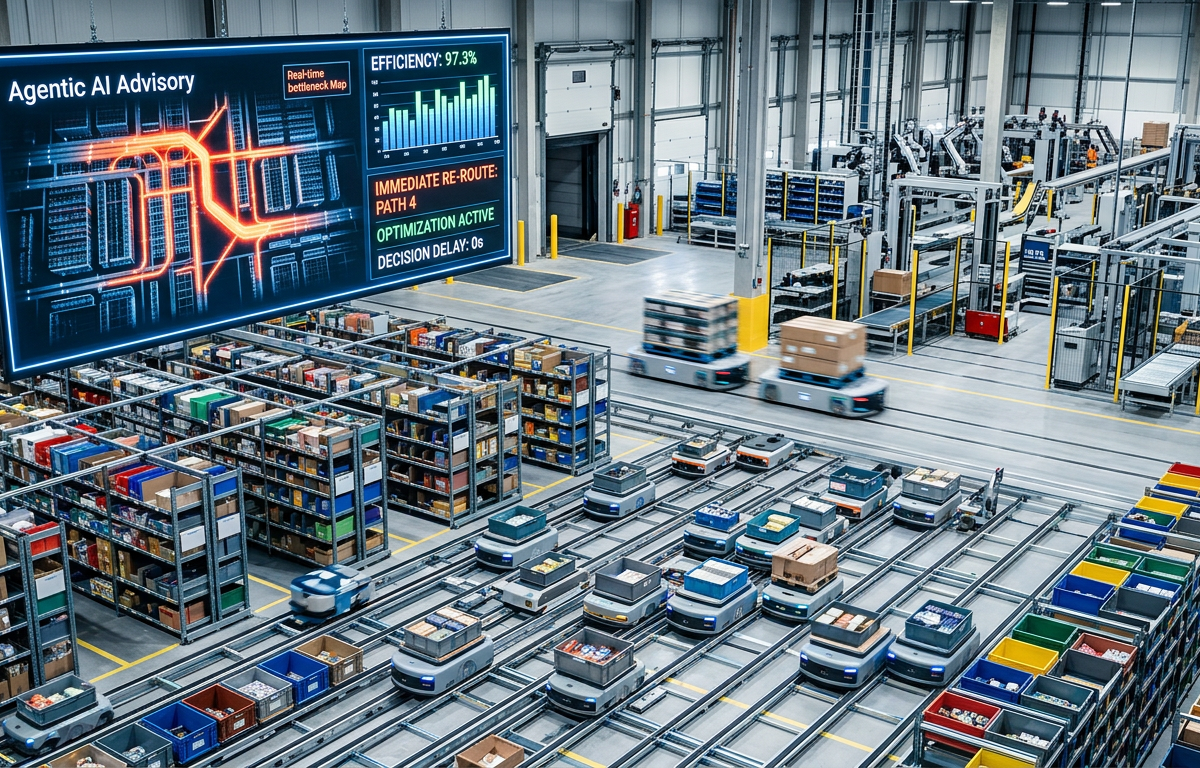
Agentic AI Advisory: When Your Operations Need Real-Time Workflow Support, Not Quarterly Reviews
A foodservice distributor takes three days to change a price. By the time the spreadsheet is approved and uploaded, the margin opportunity has passed. A seven-depot building merchant routes deliveries manually each morning, missing optimisation windows that close by 9am. A fashion retailer delays markdown decisions until stock levels force action, tying up £180,000 in slow-moving inventory for an extra six weeks. Workflow delay costs more than imperfect decisions made fast.

Platform capabilities and technical insights
Multi-Depot Fulfilment Routing: When Driver Knowledge Isn't Enough
Manual fulfilment routing costs building materials distributors 18% in unnecessary expenses. Smart routing systems optimise multi-depot operations while preserving driver expertise.
Related Articles

WithPraxis
Data Quality: The Foundation Every AI Project Needs
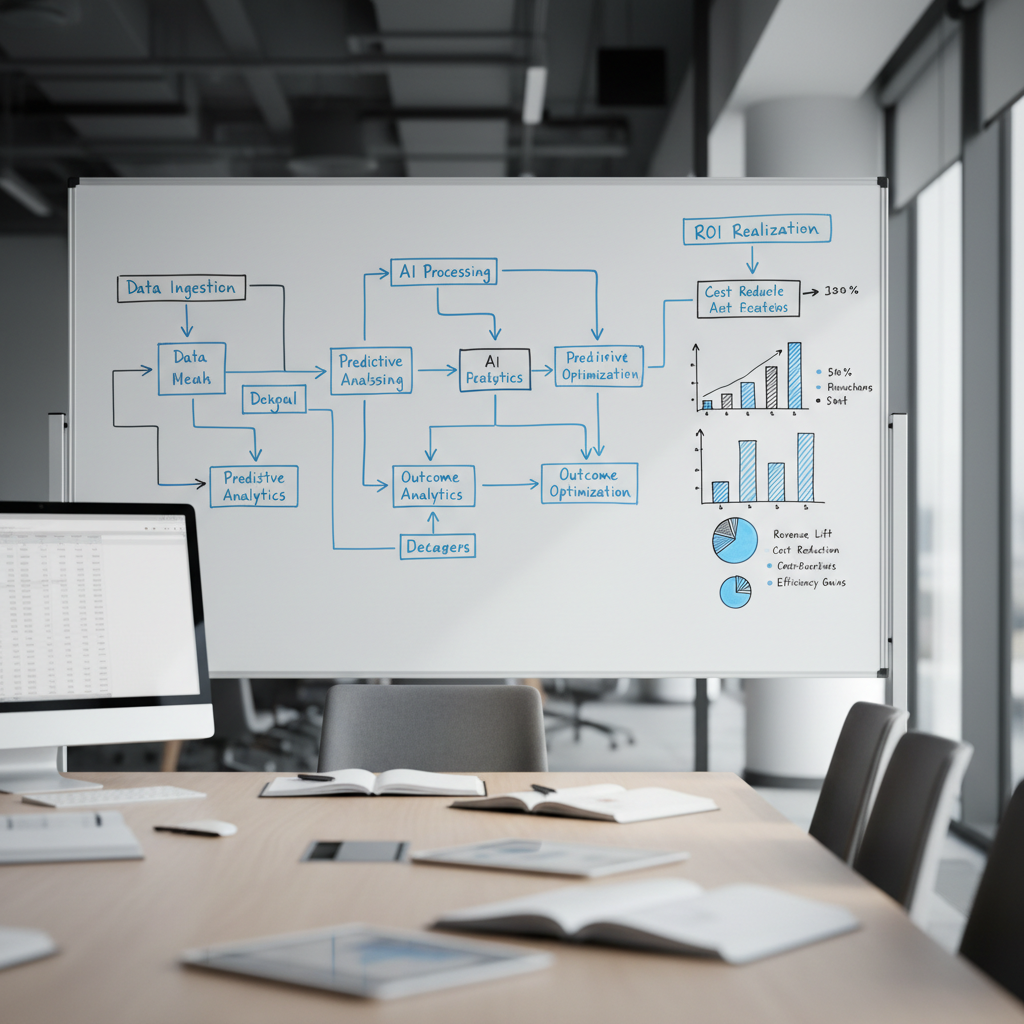
Eighty percent of AI initiatives fail before reaching production. The culprit isn't model complexity - it's bad data. This article examines what proper data quality assessment looks like, how migration transforms messy data into AI-ready systems, and what governance means for mid-market distributors.
WithPraxis
Client Success Stories: Real ROI from Applied AI
Real ROI from applied AI across five distribution verticals. Anonymous case studies showing measurable outcomes: 6% margin improvements, 18% fulfilment cost reductions, and 90% error elimination. Implementation timelines, effort required, and lessons learned from actual client engagements.
Was this article useful?