Thinking
supply chain ai
All articles tagged with "supply chain ai".
Operational workflow improvement
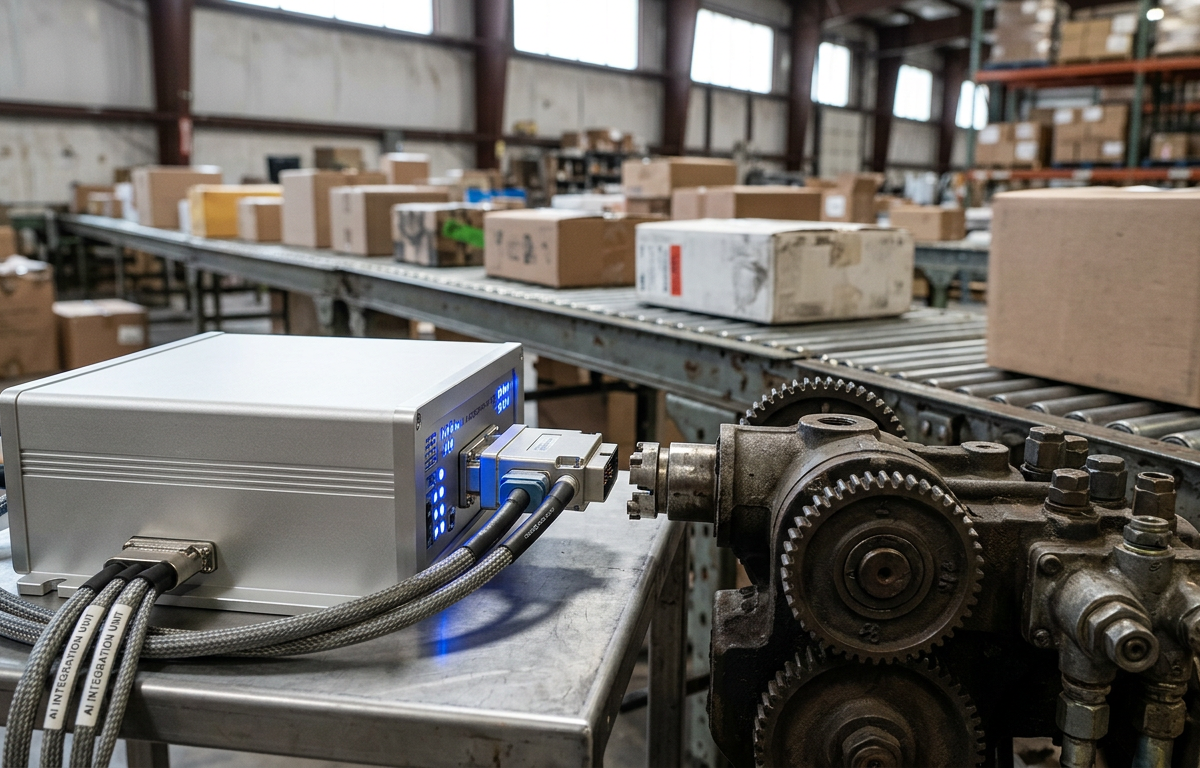
Why Fortune 500 Supply Chain AI Fails at Mid-Market: The Complexity Mismatch Problem
Fifty-seven percent of supply chain leaders cite data quality as the primary barrier to AI adoption. Not model accuracy. Not cost. Data quality. Most mid-market distributors have data spread across five to seven systems with no single source of truth. You cannot train an AI model on conflicting data. The unglamorous work of master data management, integration, and governance must come first.
Operational workflow improvement
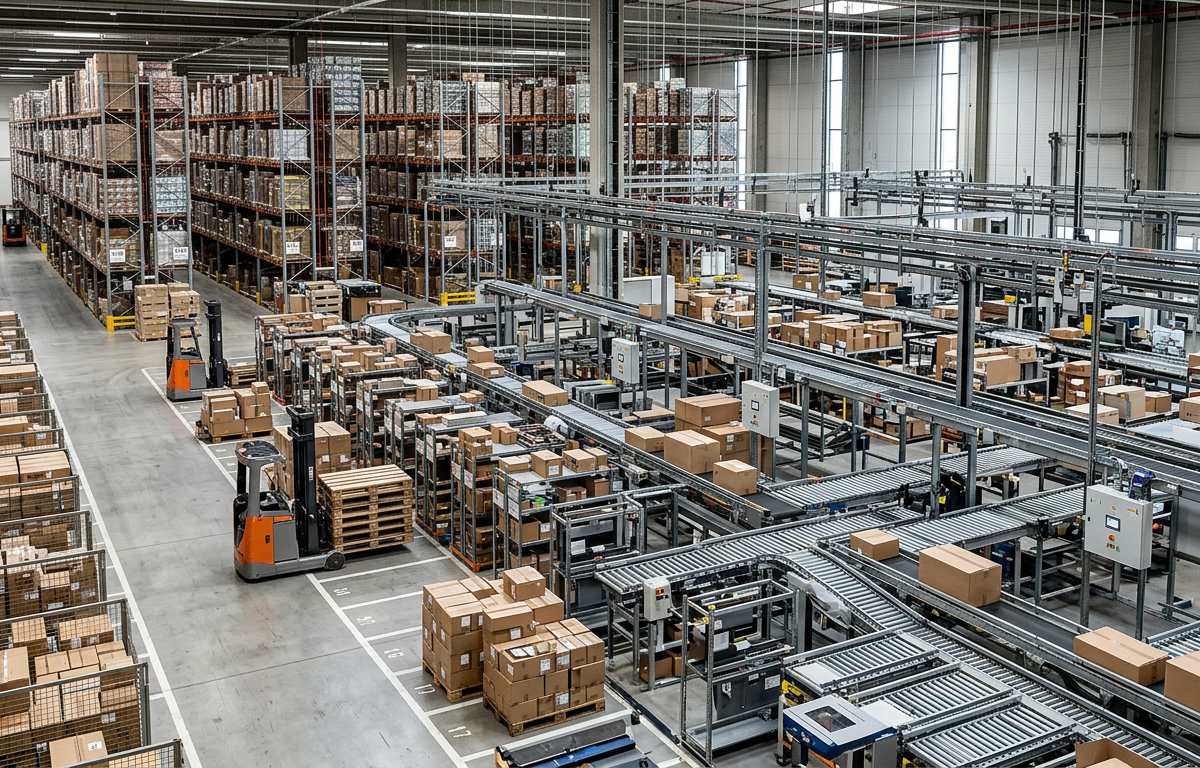
Agentic AI Data Architecture: Why Your Supply Chain Intelligence Fails Without the Right Foundation
A pricing agent at a South Yorkshire distributor adjusted 1,200 SKUs based on supplier cost data that was six weeks stale. The pipeline reported healthy. The data quality checks passed. The system lost £34,000 in margin over three months before anyone noticed. The agent hadn't malfunctioned - it had operated exactly as designed on information that was technically valid but operationally worthless. This is the observability gap that makes autonomous systems dangerous. Traditional monitoring tracks schema compliance and pipeline health. Agentic AI needs semantic monitoring - systems that understand whether data makes sense in the context of the decision being made, not just whether it arrives on time in the right format.

Operational workflow improvement
Predictive Orchestration: The 2026 Supply Chain AI Priority CSCOs Can't Ignore
Most supply chain directors spend Monday mornings reviewing exceptions from last week. A supplier shipment arrived late. A customer order exceeded forecast. A warehouse ran short on a fast-moving line. By the time the team decides what to do, the problem has compounded.
Operational workflow improvement
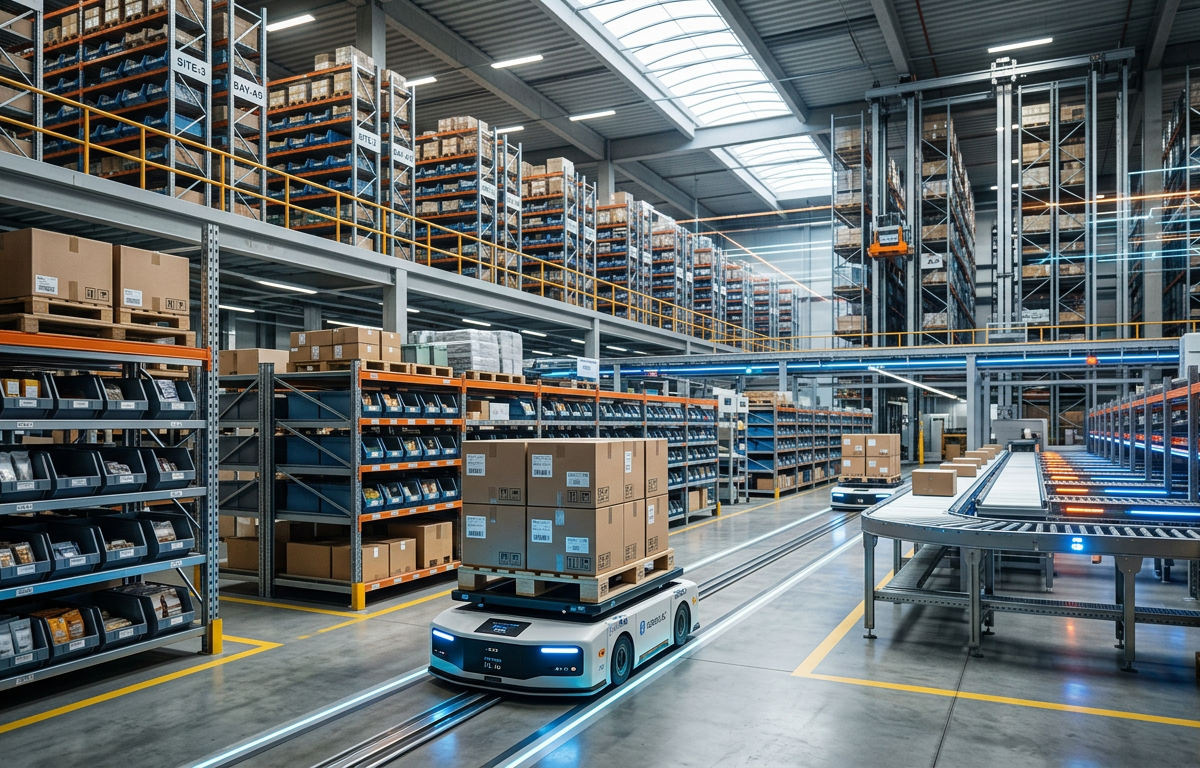
Agentic Supply Chain Orchestration: Controlled Automation Across Multi-Depot Networks
Most mid-market distributors allocate stock across depots manually. A buyer reviews demand signals, checks inventory levels, and decides where to send stock. This takes hours or days. By then, demand has shifted. Autonomous agents change this by making allocation decisions in real-time — but only if governance frameworks define the boundaries within which they operate.

Platform capabilities and technical insights
Market Sensing Intelligence: Reading Weak Signals Before Competitors
Quarterly forecasts miss demand shifts that happen in days. Demand sensing uses real-time weak signals—POS data, supply disruptions, social trends—to detect changes 24-72 hours before they appear in historical patterns. For mid-market distributors managing volatile categories, this decision speed translates directly into margin capture and stockout reduction.
Operational workflow improvement
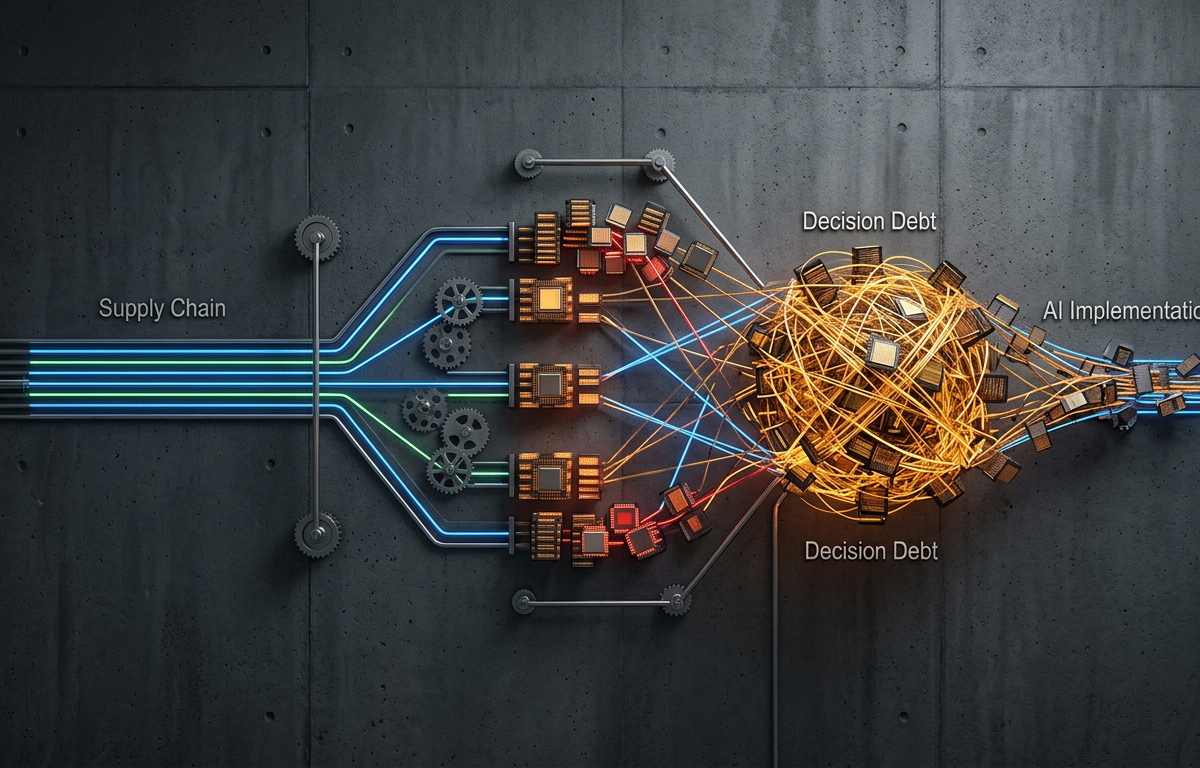
Supply Chain Workflow Debt: How Deferred Planning Choices Compound into AI Failure
Most mid-market distributors rush to AI deployment without auditing what they're actually deciding. A Nottinghamshire food wholesaler spent £85,000 on demand forecasting AI that sat dormant because buying decisions existed only in one person's head. The pre-implementation audit - decision inventory, assumption mapping, rule documentation - is the gate that determines whether AI works or sits unused.

Operational workflow improvement
Faster Supply Chain Planning: Why Speed Beats Perfect Forecasts in 2026
Most mid-market distributors believe their slow decisions are caused by poor AI models or insufficient data. In reality, they've built latency into their system architecture. A well-trained model can generate a recommendation in milliseconds, but the decision doesn't reach the operator for 3-8 seconds—or longer—because of data pipeline delays, API call chains, and integration bottlenecks. Decision speed directly impacts margin recovery, inventory turns, and fulfilment efficiency. Yet companies continue to upgrade models while ignoring the infrastructure that determines how fast those decisions can actually execute.

Industry-specific operational AI applications
Kitchen timing and delivery windows in foodservice distribution
Foodservice distributors face unique operational challenges: volatile commodity pricing, perishable inventory, and complex delivery scheduling. Generic AI platforms don't understand these realities.