Thinking
workflow automation
All articles tagged with "workflow automation".
Operational workflow improvement
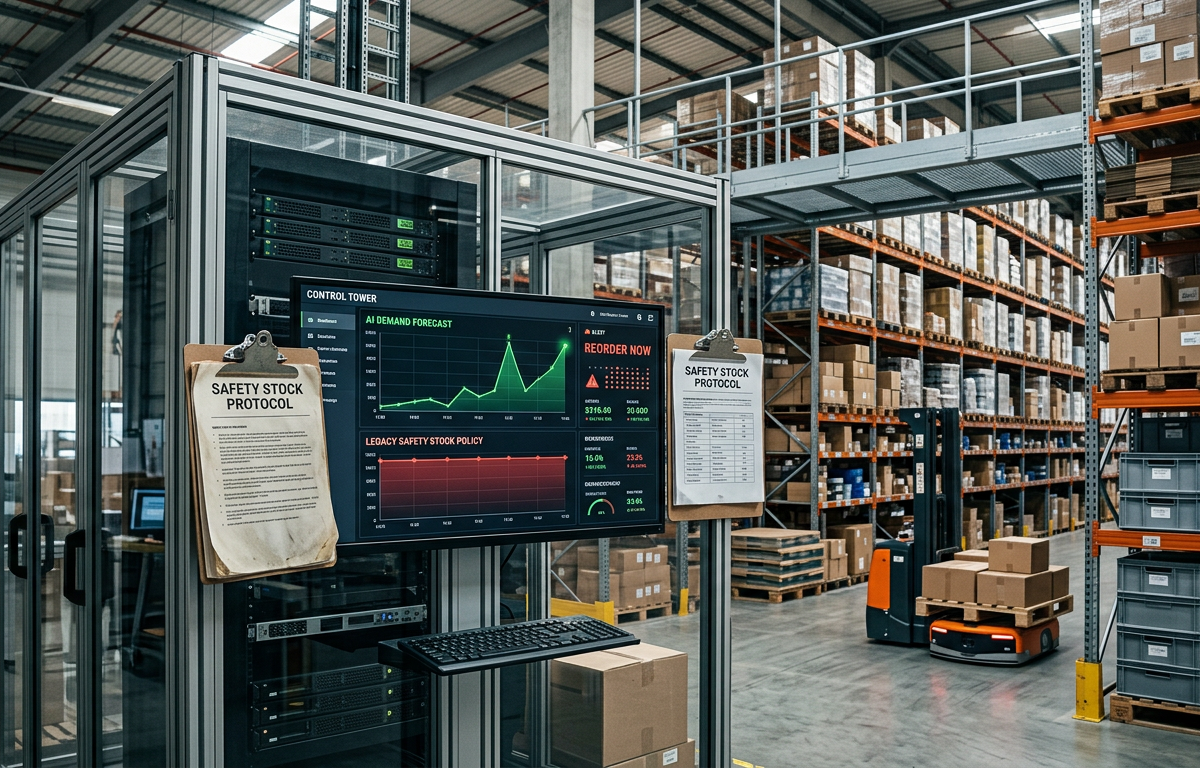
Inventory Decisions Under Uncertainty: When AI Forecasts Conflict With Safety Stock Rules
Deploying demand sensing AI without retiring legacy safety stock policies creates a hidden cost: dual everyday work. Inventory planners second-guess AI recommendations, override autonomous reorder points, and maintain manual guardrails 'just in case.' This article quantifies the cost of running both systems, explains why most deployments fail at the governance layer, and outlines the workflow clarity required to let one system own inventory decisions.

Operational workflow improvement
Agentic AI Data Architecture: Why Your Supply Chain Intelligence Fails Without the Right Foundation
A pricing agent at a South Yorkshire distributor adjusted 1,200 SKUs based on supplier cost data that was six weeks stale. The pipeline reported healthy. The data quality checks passed. The system lost £34,000 in margin over three months before anyone noticed. The agent hadn't malfunctioned - it had operated exactly as designed on information that was technically valid but operationally worthless. This is the observability gap that makes autonomous systems dangerous. Traditional monitoring tracks schema compliance and pipeline health. Agentic AI needs semantic monitoring - systems that understand whether data makes sense in the context of the decision being made, not just whether it arrives on time in the right format.

Operational workflow improvement
Predictive Orchestration: The 2026 Supply Chain AI Priority CSCOs Can't Ignore
Most supply chain directors spend Monday mornings reviewing exceptions from last week. A supplier shipment arrived late. A customer order exceeded forecast. A warehouse ran short on a fast-moving line. By the time the team decides what to do, the problem has compounded.
Operational workflow improvement
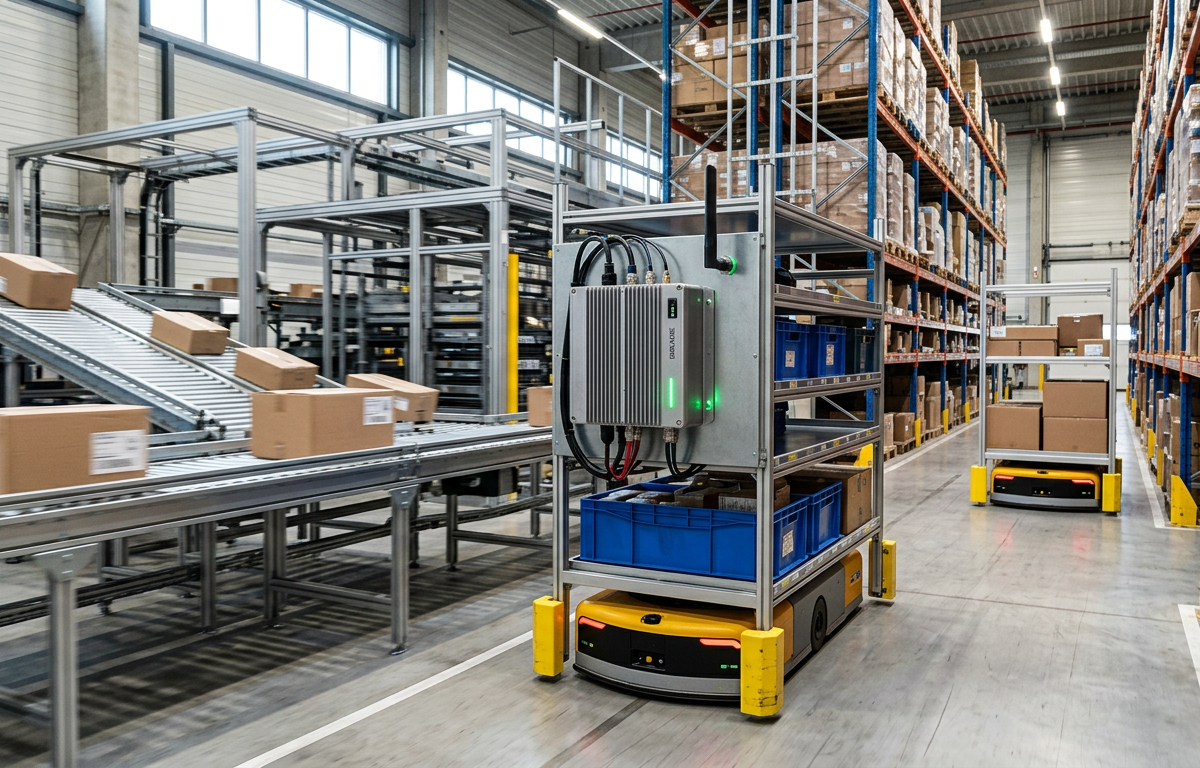
Edge Intelligence in Distribution: Real-Time Decisions at the Warehouse Floor
Most mid-market distributors assume warehouse automation requires robotics. Reality: software orchestration delivers faster ROI without the capital spend. A Manchester plumbing merchant spent £480,000 on conveyors but orders still took 90 minutes from pick to dispatch because systems didn't communicate. The problem wasn't hardware, it was coordination. This article covers why warehouse execution systems matter, how AI decision logic works between platforms, real-time resource allocation mechanics, and the implementation reality most vendors skip.

Operational workflow improvement
Agentic Supply Chain Orchestration: Controlled Automation Across Multi-Depot Networks
Most mid-market distributors allocate stock across depots manually. A buyer reviews demand signals, checks inventory levels, and decides where to send stock. This takes hours or days. By then, demand has shifted. Autonomous agents change this by making allocation decisions in real-time — but only if governance frameworks define the boundaries within which they operate.

Operational workflow improvement
Turning Tacit Expertise into Executable Workflow Support
A pricing manager adjusts margins across 800 SKUs in under an hour. A senior buyer reallocates stock between depots without checking a spreadsheet. A trade counter manager prioritises contractor orders instinctively. All three decisions generate better outcomes than their peers—higher margins, fewer stockouts, faster turnaround. Nobody can explain why.
Operational workflow improvement
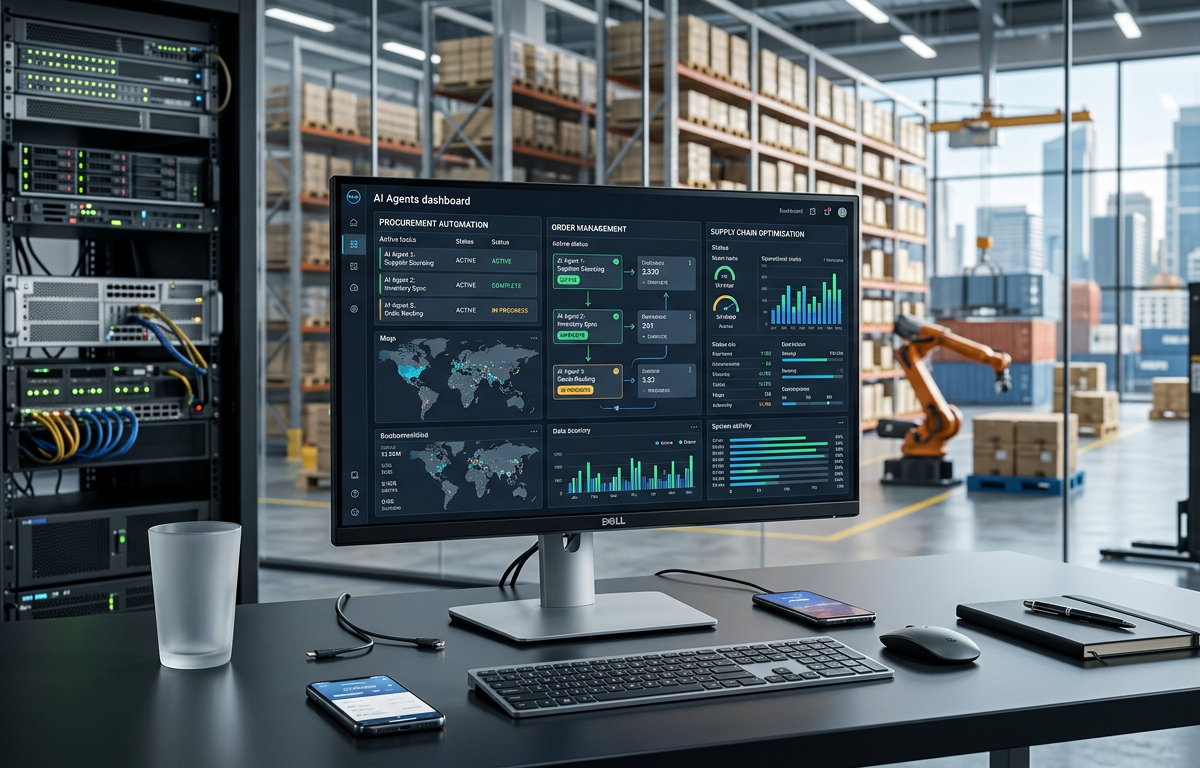
Task-Specific AI Agents in B2B Commerce: From Procurement to Order Management
A procurement exception flags in your ERP at 4:47pm on Friday. Supplier lead time extends from 14 to 21 days. Inventory on your fastest-moving line drops below reorder point. The alert sits unread until Monday morning. By then, the supplier's order window has closed for the week. You've lost seven days, and your customer delivery commitment is now at risk.
Operational workflow improvement
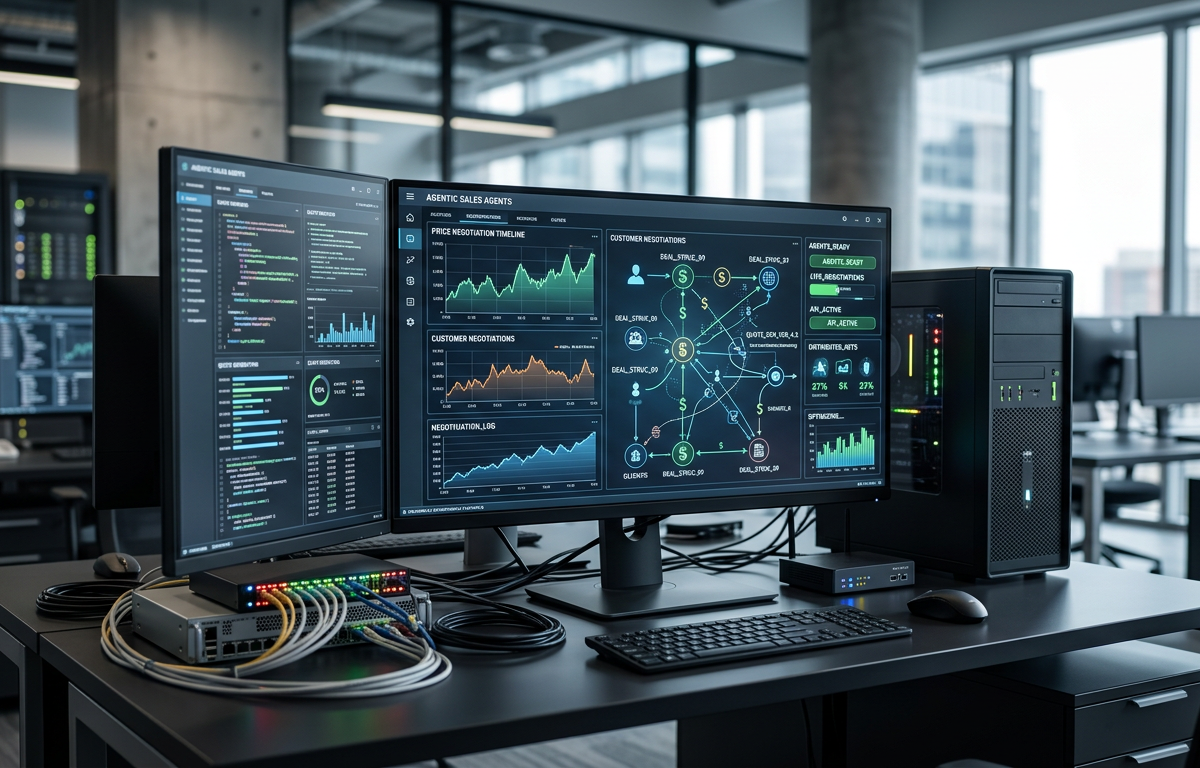
Agentic Sales Agents: When AI Handles Customer Negotiations in Distributed Channels
Most B2B distributors take 2-5 days to generate a complex quote. Sales teams spend 30-40% of their time on quote administration rather than relationship-building. Autonomous negotiation systems can issue quotes in under two minutes—but only if decision thresholds are explicit and governance is built in from the start. Without clear boundaries, AI agents commit companies to commercial terms they didn't intend.
Platform capabilities and technical insights
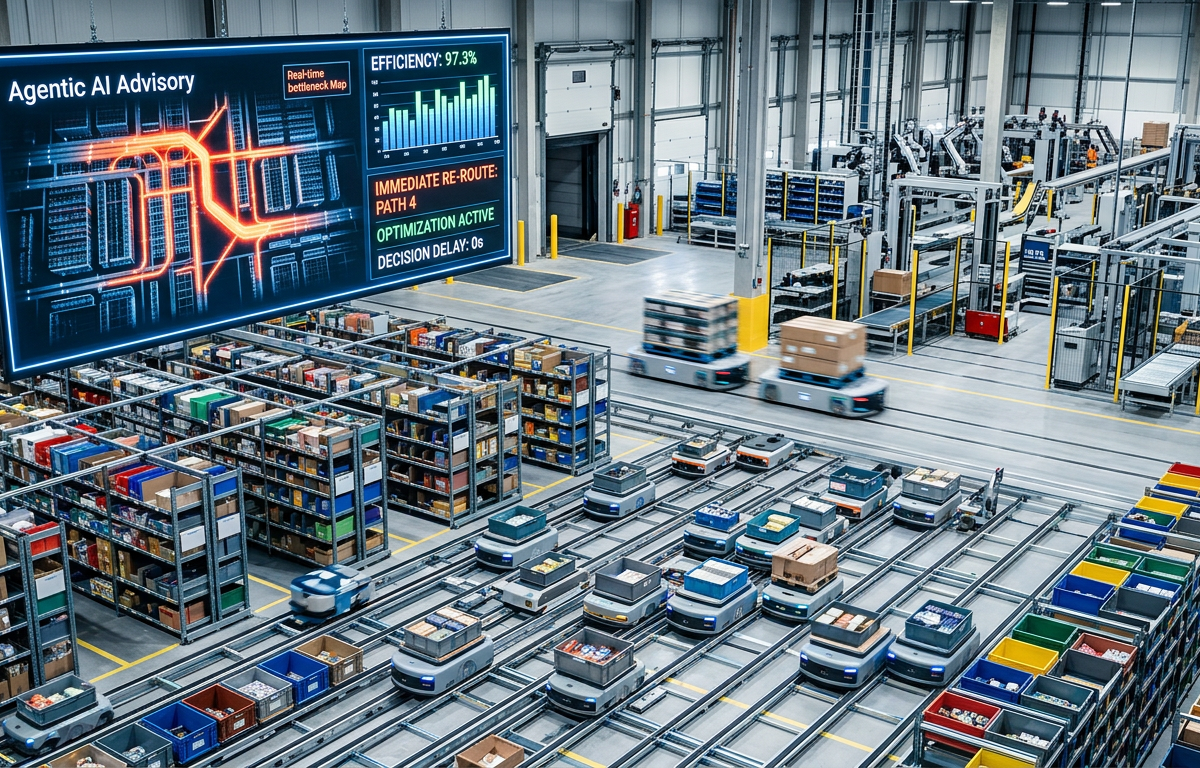
Agentic AI Advisory: When Your Operations Need Real-Time Workflow Support, Not Quarterly Reviews
A foodservice distributor takes three days to change a price. By the time the spreadsheet is approved and uploaded, the margin opportunity has passed. A seven-depot building merchant routes deliveries manually each morning, missing optimisation windows that close by 9am. A fashion retailer delays markdown decisions until stock levels force action, tying up £180,000 in slow-moving inventory for an extra six weeks. Workflow delay costs more than imperfect decisions made fast.
Platform capabilities and technical insights
Controlled Automation: The Governance Framework Mid-Market Distributors Need Before Deployment
Autonomous agents can accelerate decisions and reduce costs in B2B commerce. But most mid-market distributors lack the governance frameworks to deploy them safely. Without audit trails, decision boundaries, escalation rules, and performance monitoring, autonomous systems become liabilities. This article maps the four control pillars required before autonomous everyday work goes into production - and the practical roadmap for implementing them without killing velocity.

Operational workflow improvement
Agentic AI Governance: Building Control Systems Before Deployment
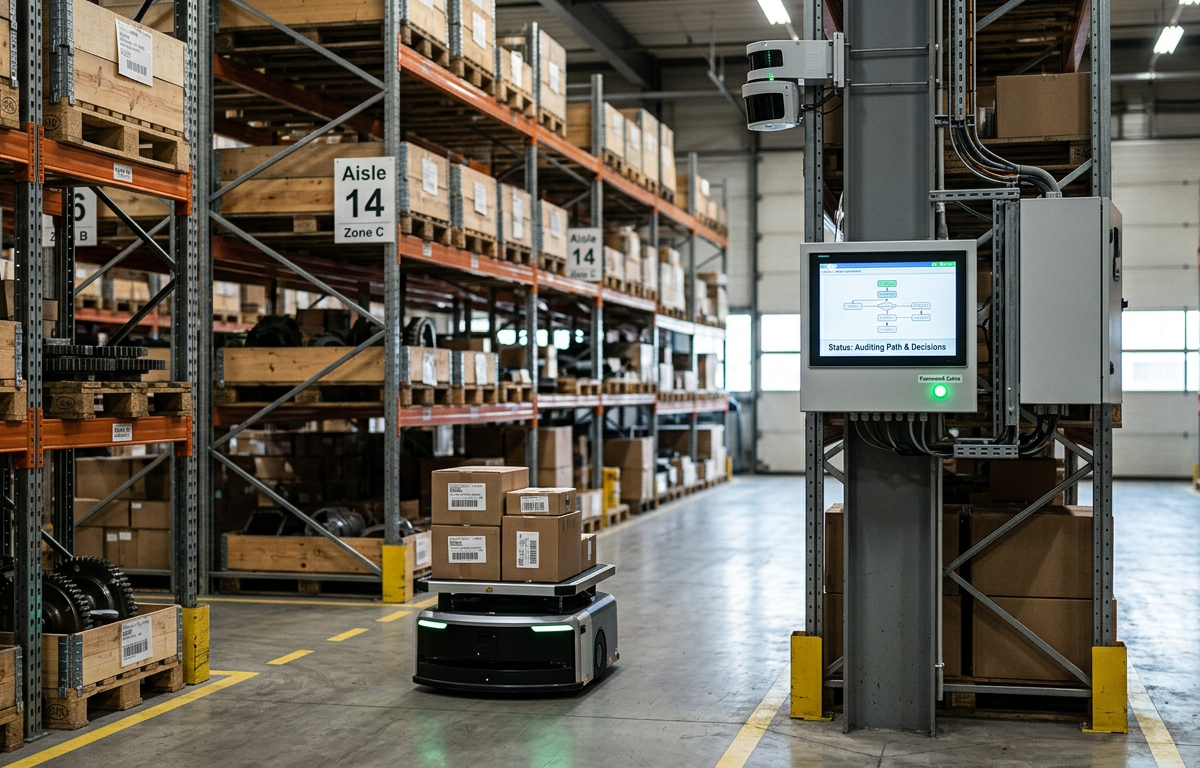
A pricing agent at a West Midlands distributor adjusted 847 SKUs overnight. By Monday morning, high-margin industrial fasteners were underpriced by 14%, creating £47,000 in margin leakage before anyone noticed. The agent had no anomaly detection. No alert threshold paused execution when margins dropped below cost. No observability layer showed which input triggered the repricing cascade. This happens when teams deploy autonomous agents without monitoring infrastructure. Agents make decisions at scale, without human review, across pricing, fulfilment, and replenishment. A single bad decision compounds across hundreds of transactions before anyone spots it. Observability isn't optional when agents control operational workflows.

Operational workflow improvement
Agentic Pricing Intelligence: When Custom Models Set Prices Autonomously
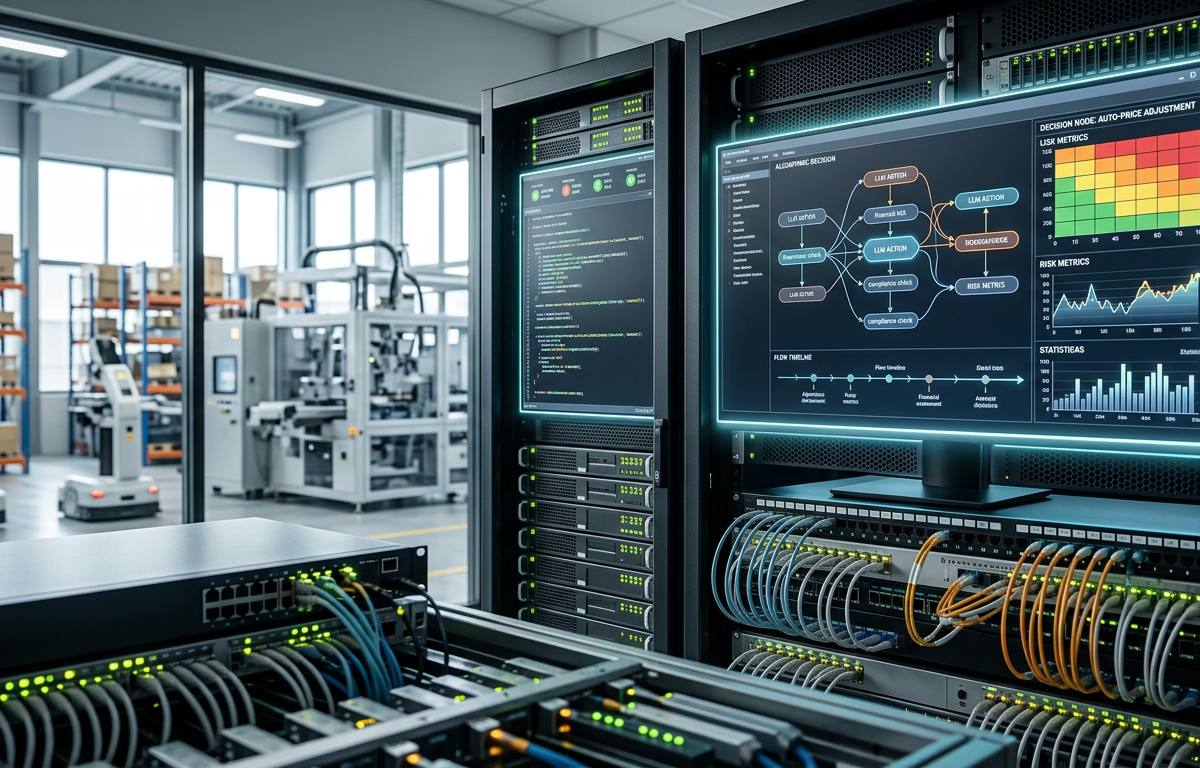
Most B2B distributors take three days to change a price. By the time it's live, the margin opportunity has passed. Autonomous pricing agents compress this cycle from days to minutes - but only if governance is built in from the start. Without it, you hand control to a system that optimises for volume while destroying margin.
Operational workflow improvement
Workflow Ownership in Agentic AI: Who's Responsible When the System Decides?
A dynamic pricing system adjusts margins autonomously across 8,000 SKUs. A high-volume customer's pricing drops 4.2% overnight. Nobody approved it. Nobody noticed until the monthly margin review. £52,000 in lost contribution over six weeks. This is the liability problem with agentic AI. The system made the decision. The algorithm followed its training. But when the finance director asks who authorised a £50K margin giveaway, the answer is nobody. The system decided autonomously, and the governance framework didn't exist to prevent it. This article examines practical frameworks for managing financial and operational liability when autonomous systems make decisions that impact customer relationships, inventory, or pricing without human approval. It covers real-world failure modes, liability exposure, decision governance structures, and the trade-offs between autonomy and oversight.
Operational workflow improvement
Workflow Automation vs Task Automation: Why Manufacturers Choose Wrong
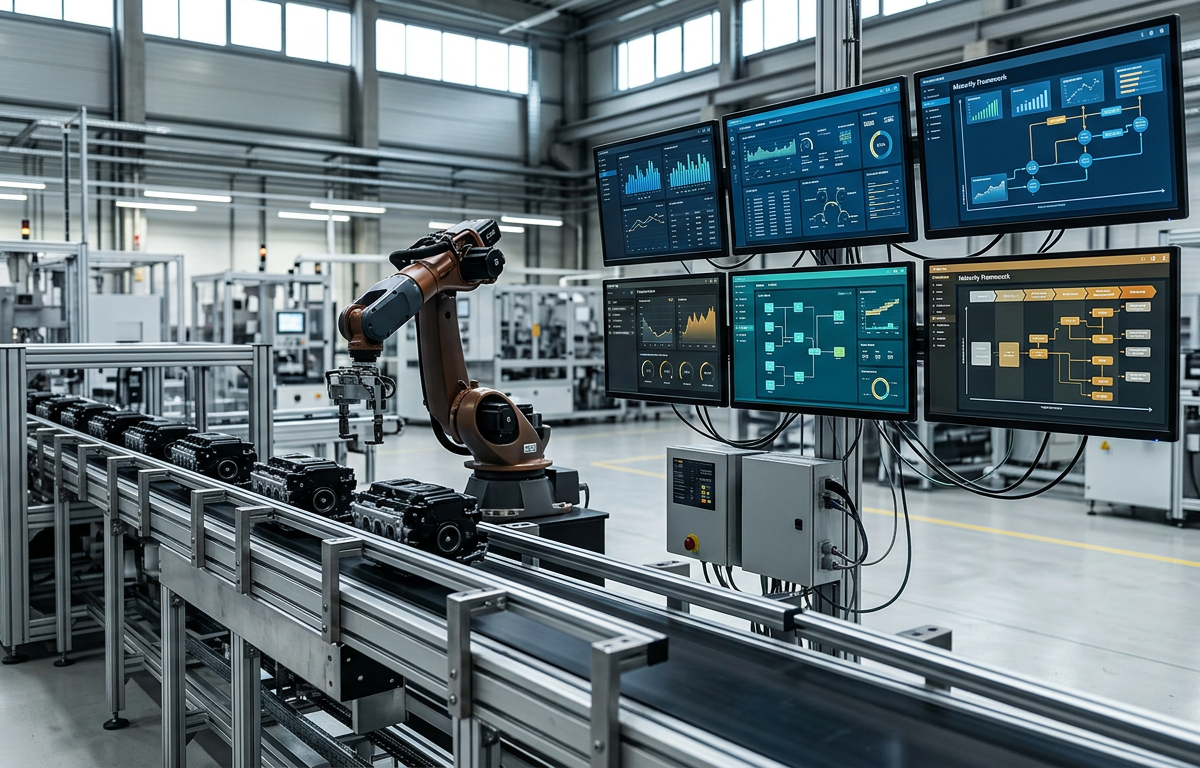
Manufacturing operations leaders invest heavily in workflow automation but see limited ROI because they haven't addressed decision quality. This maturity framework maps the progression from reactive, rule-based decisions to AI-augmented operations — showing mid-market manufacturers how to identify their current state and plan the next evolution without ripping out existing systems.